Laboratory & Microbiology training courses
Run accurate, compliant labs, from ISO 17025 and biosafety to microbiology and molecular techniques.
Delivered in-house at your premises, as public sessions in Johannesburg, Cape Town, Durban, Pretoria, Dubai and London, or live online. Courses run 2 Days, 3 Days, 5 Days, 10 Days, from R10,000 per delegate.
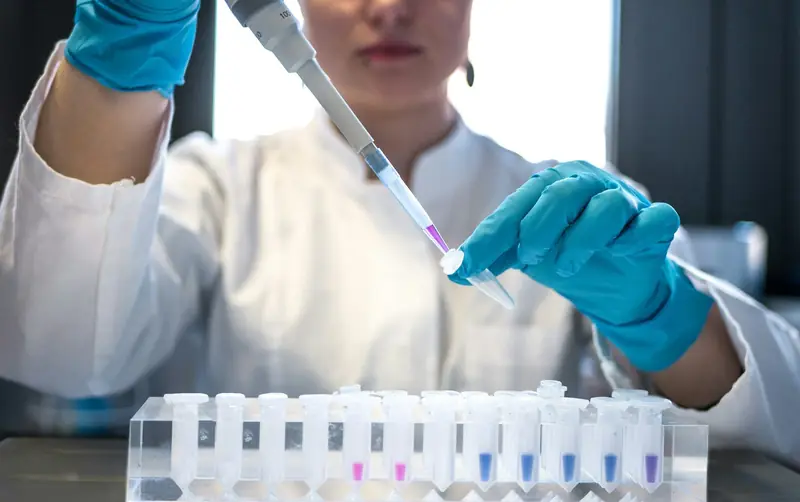
Laboratory Quality Management Systems and ISO/IEC 17025 Accreditation
This programme prepares laboratory managers and quality staff to build, document and maintain a management system that meets the requirements of ISO/IEC 17025. Participants examine competence, impartiality and consistent operation of testing and calibration laboratories, and learn how to prepare for a successful accreditation assessment. Practical sessions cover document control, corrective action and the transition from internal quality goals to formal recognition.
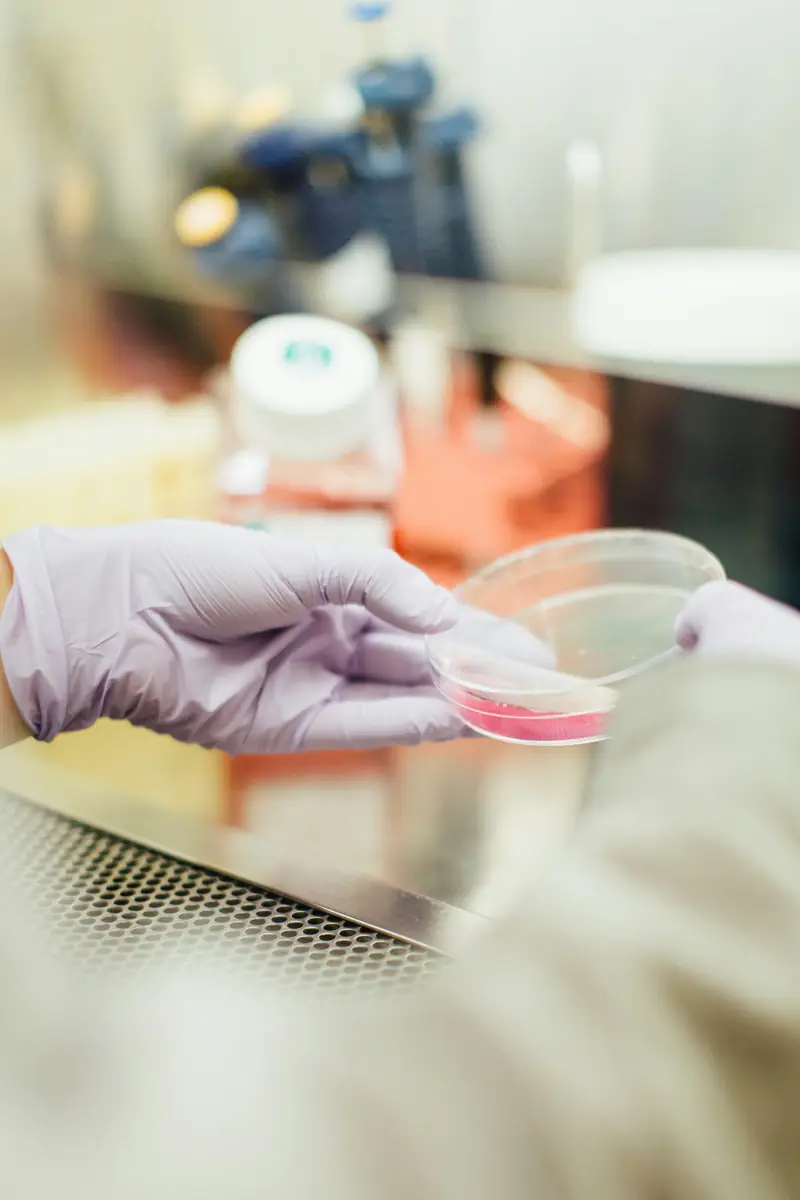
Laboratory Safety and Biosafety Management
This course equips laboratory personnel to identify, assess and control the physical, chemical and biological hazards found in a working laboratory. Delegates study biosafety levels, containment practices and the safe handling of infectious agents alongside general occupational safety duties. The training links regulatory expectations to day to day behaviour on the bench.
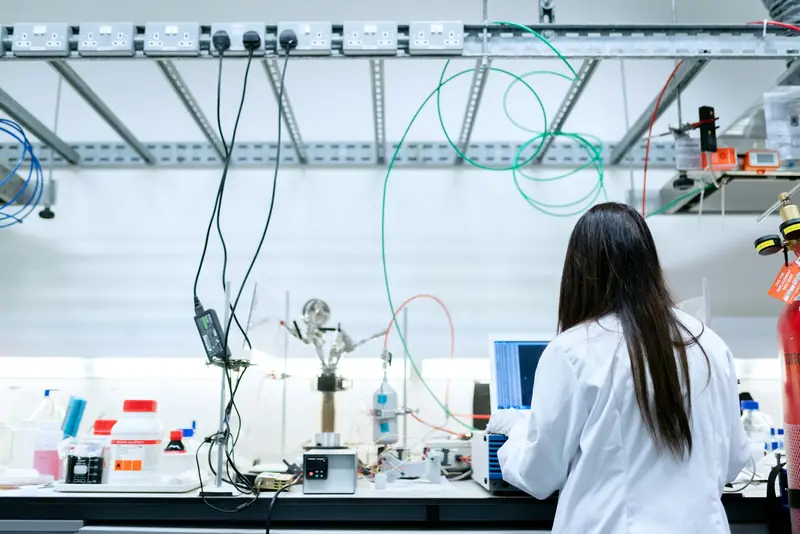
Good Laboratory Practice (GLP) for Regulated Studies
This programme explains the principles of Good Laboratory Practice as applied to non clinical health and environmental safety studies. Participants learn how GLP governs study conduct, data integrity, facilities and personnel responsibilities. The course helps laboratories align their practices with the expectations of regulatory bodies and monitoring authorities.
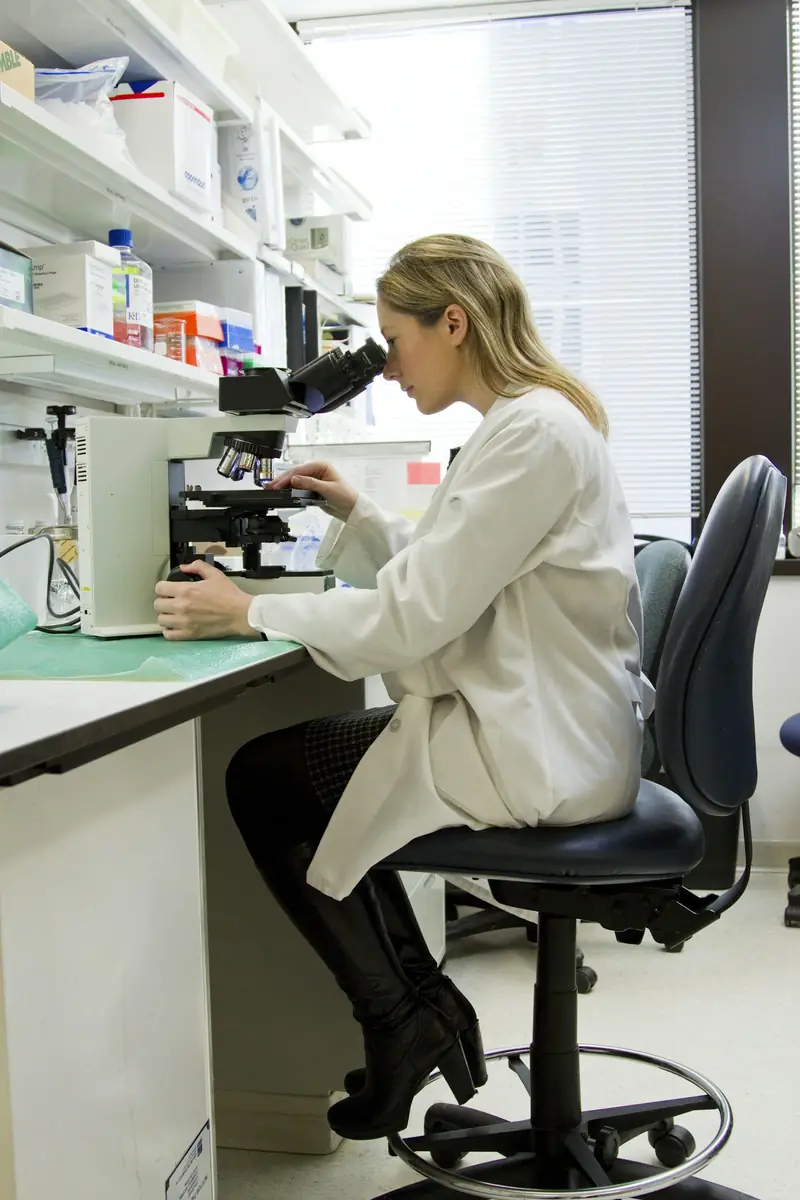
Fundamental Microbiology Techniques for the Laboratory
This hands on course covers the core techniques used to culture, isolate and identify microorganisms in a general microbiology laboratory. Delegates practise media preparation, streaking, staining and microscopy while building an understanding of microbial growth and metabolism. The programme provides a solid grounding for staff new to microbiology work.
Medical and Clinical Laboratory Practice
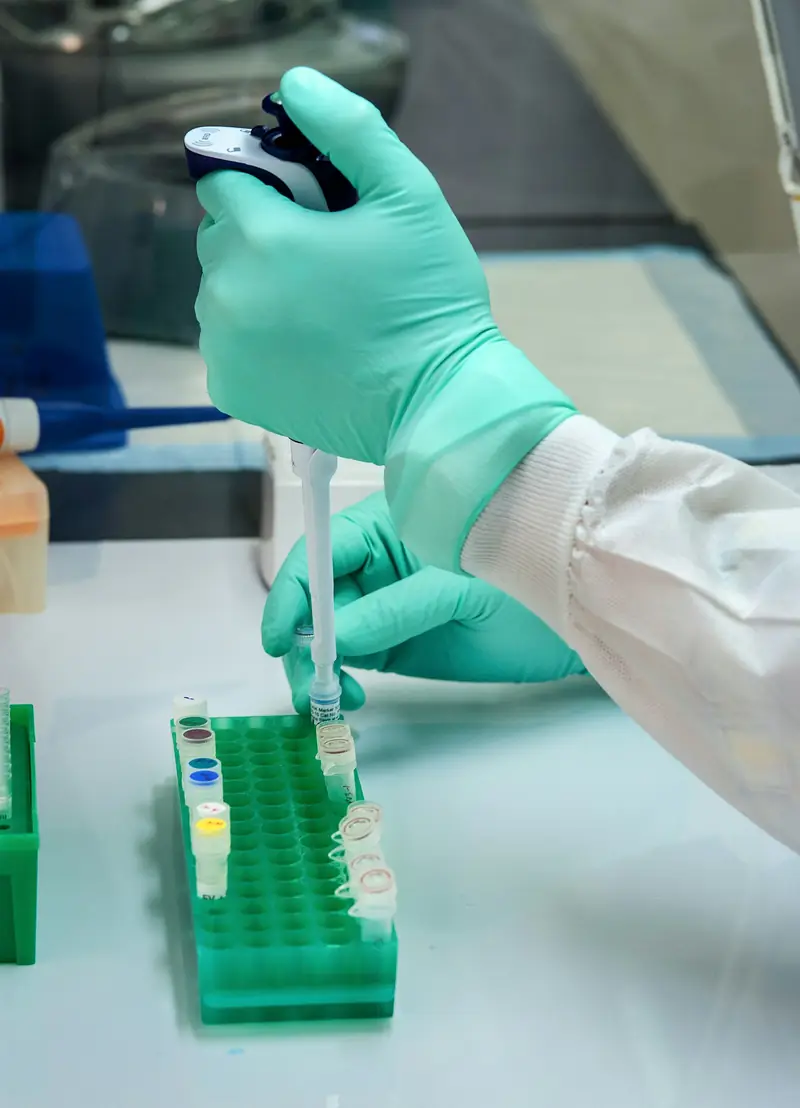
This extended programme prepares clinical laboratory staff to deliver accurate diagnostic results across haematology, clinical chemistry and microbiology. Participants study specimen collection, analytical procedures and result interpretation within a patient focused quality framework. The course also addresses laboratory ethics, confidentiality and communication with clinical teams.
Food Microbiology and Safety Testing
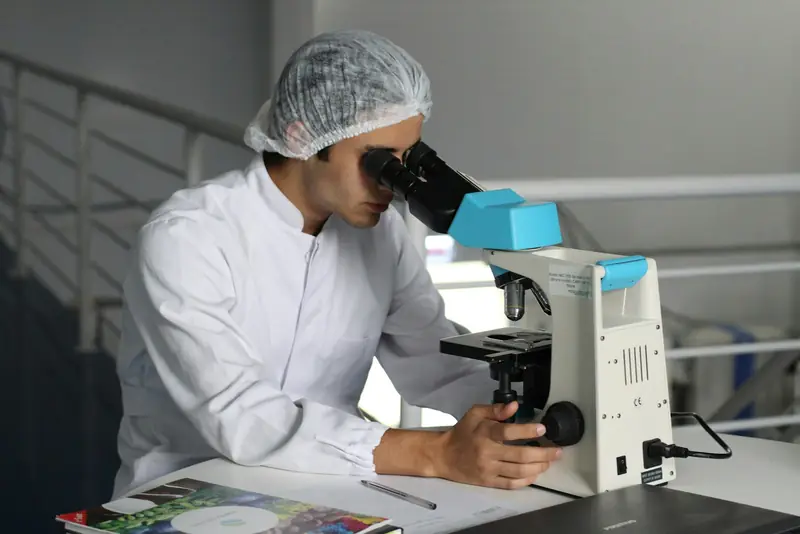
This course focuses on the microbiological examination of food products to protect consumers and support regulatory compliance. Delegates learn detection and enumeration methods for indicator organisms and foodborne pathogens, along with sampling and shelf life considerations. The training connects laboratory results to food safety decisions in production settings.
Water Microbiology and Quality Analysis
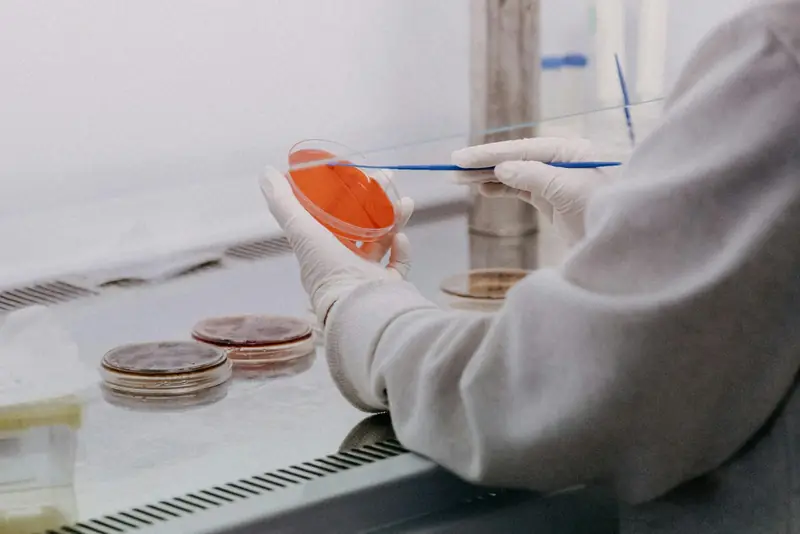
This programme addresses the microbiological testing of drinking water, wastewater and environmental water samples. Participants study coliform and pathogen detection methods, membrane filtration and the interpretation of results against water quality standards. The course supports laboratories that monitor public health and treatment performance.
Molecular Biology and Real Time PCR Techniques
This practical course introduces the principles and applications of molecular biology with a focus on the polymerase chain reaction. Delegates learn nucleic acid extraction, primer design considerations and both conventional and real time PCR workflows. The programme also covers contamination control and result interpretation for diagnostic and research settings.
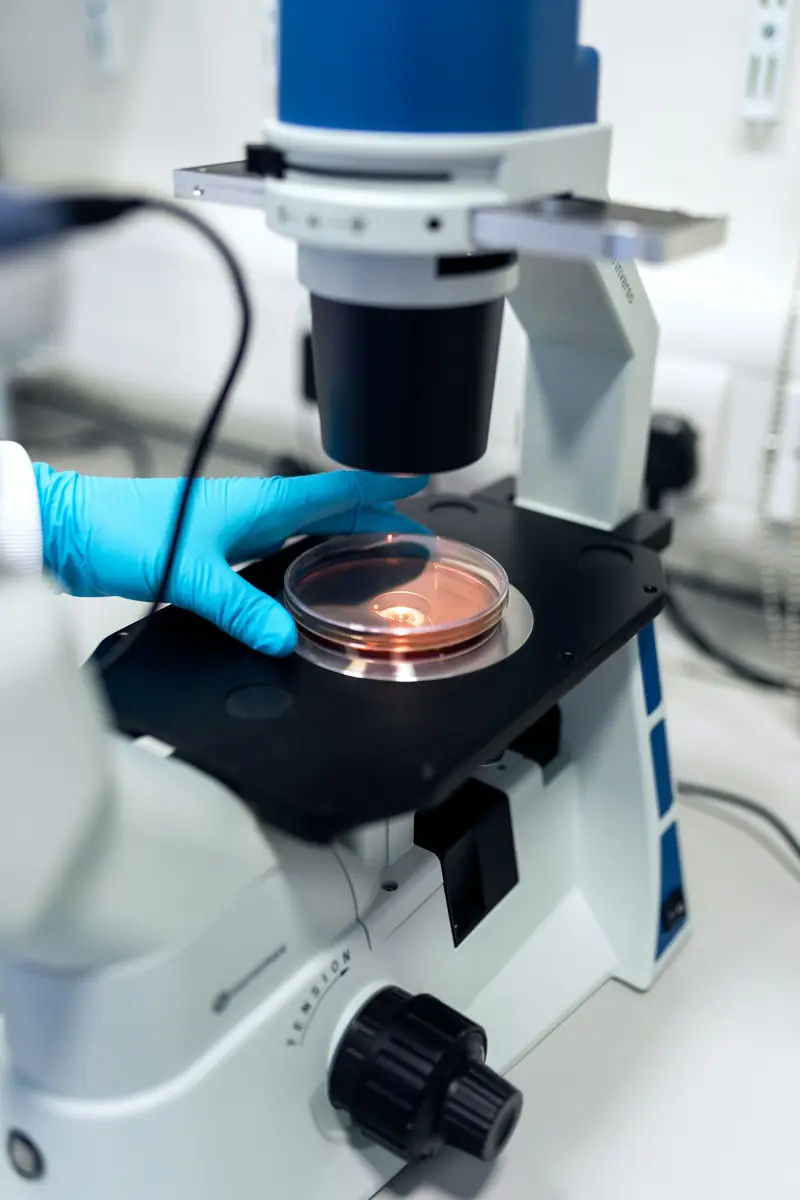
Quality Control Microbiology in Pharmaceutical Manufacturing
This course covers the microbiological quality control activities required to release safe pharmaceutical and healthcare products. Participants study bioburden testing, sterility assurance, endotoxin testing and microbial limits within a regulated environment. The training links laboratory results to batch release and good manufacturing practice expectations.
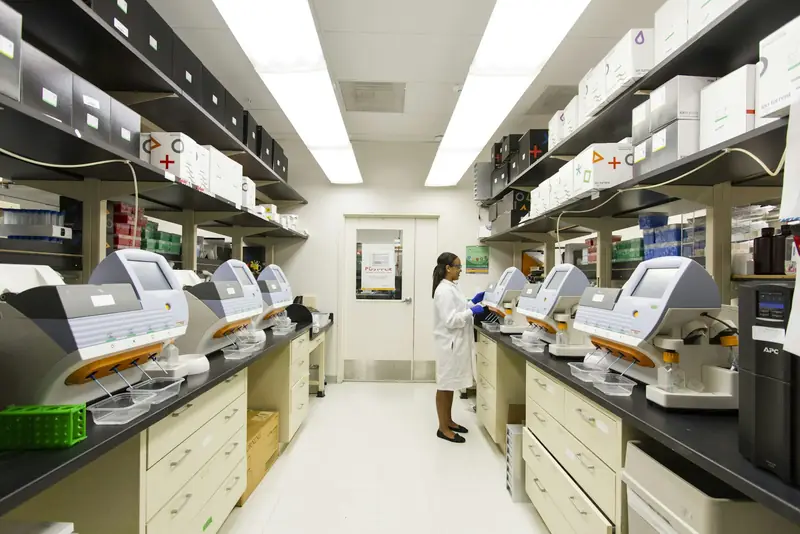
Laboratory Equipment Calibration and Maintenance
This programme prepares laboratory staff to keep analytical instruments accurate, reliable and fit for purpose. Delegates learn calibration principles, verification schedules and the documentation needed to demonstrate measurement traceability. The course covers common instruments such as balances, pipettes, pH meters and spectrophotometers.
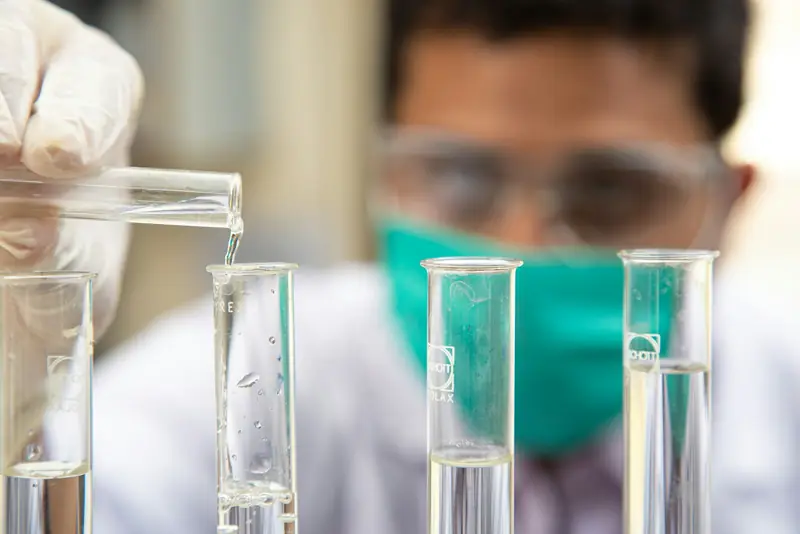
Sample Handling and Chain of Custody in the Laboratory
This course addresses the disciplined handling of samples from collection through analysis and disposal. Participants learn labelling, storage, transport and documentation practices that preserve sample integrity and defensibility. Particular attention is given to chain of custody for samples that may be used in legal or regulatory decisions.
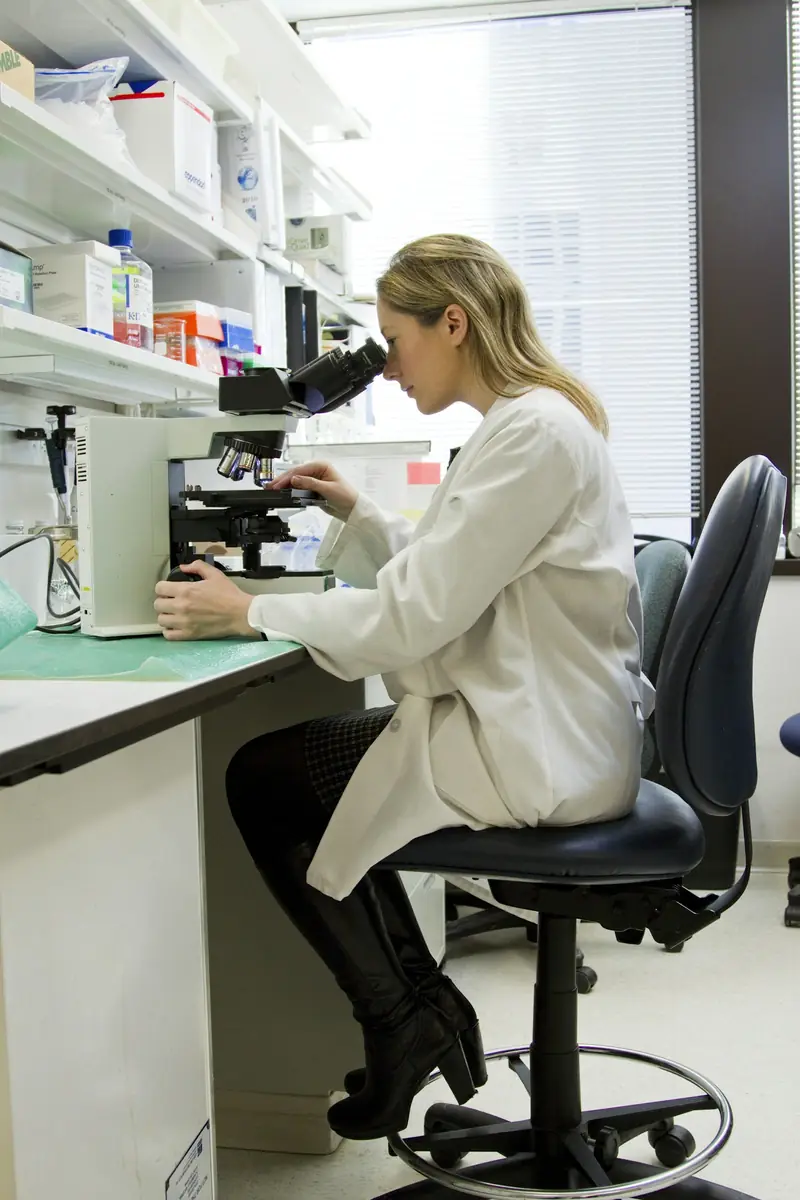
Aseptic Technique and Contamination Control
This practical programme develops the aseptic skills needed to prevent contamination in microbiology and cell culture work. Delegates practise safe manipulation within biological safety cabinets and learn how environment, personnel and materials contribute to contamination risk. The course reinforces habits that protect both products and results.
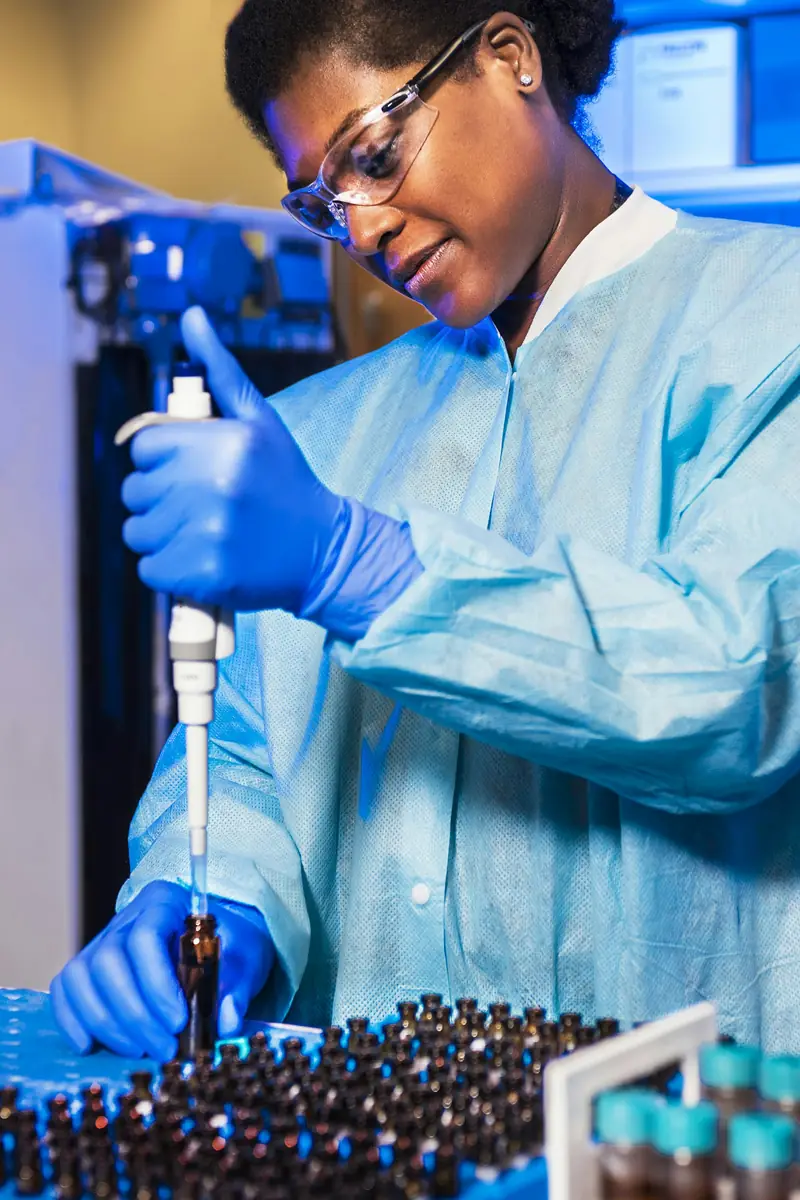
Environmental Monitoring for Controlled Areas
This course covers the design and operation of environmental monitoring programmes in cleanrooms and controlled manufacturing areas. Participants learn viable and non viable monitoring methods, alert and action limits and trend analysis. The training helps laboratories demonstrate that controlled environments remain within specification.
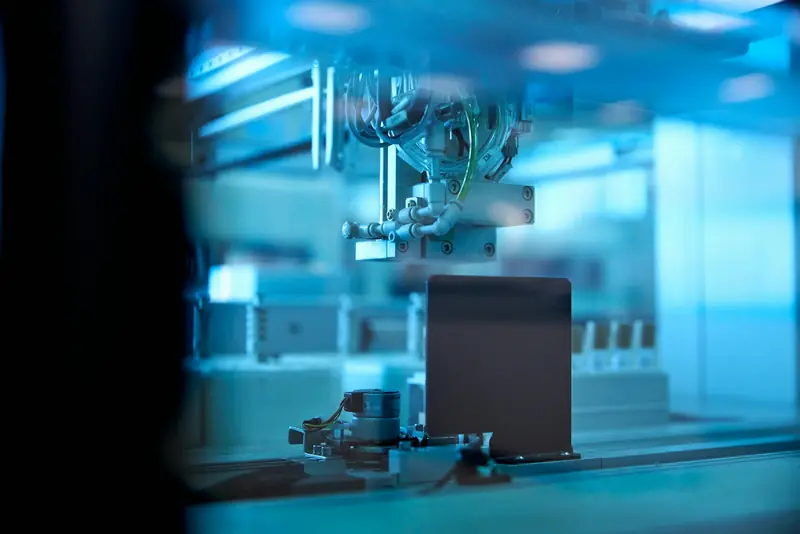
Laboratory Information Management Systems (LIMS)
This programme helps laboratories select, implement and use information management systems to improve data flow and integrity. Delegates examine sample tracking, workflow configuration, results management and integration with instruments. The course also considers data security, audit trails and the change from paper based records.
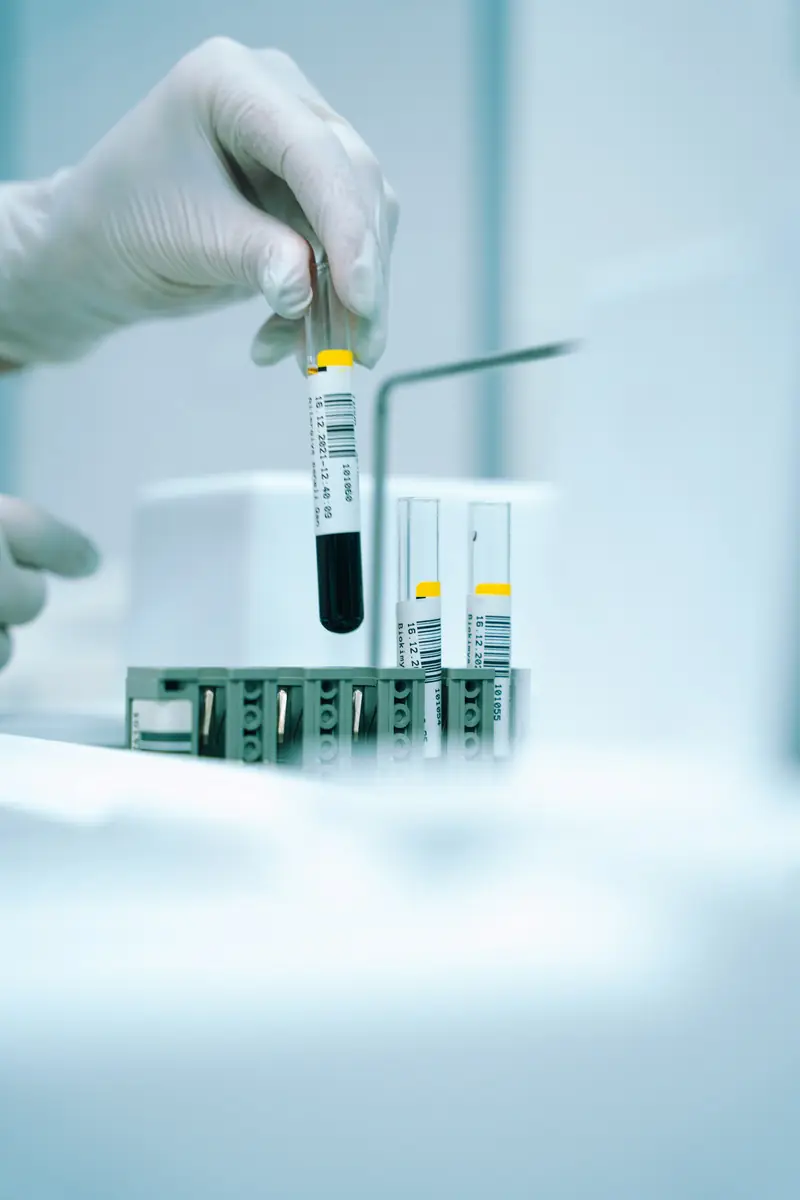
Pathology Laboratory Operations and Management
This course prepares laboratory leaders to run an efficient and compliant pathology service. Participants study workflow design, turnaround time, staffing and the coordination of disciplines within the laboratory. The programme balances operational performance with quality, safety and patient focused service.
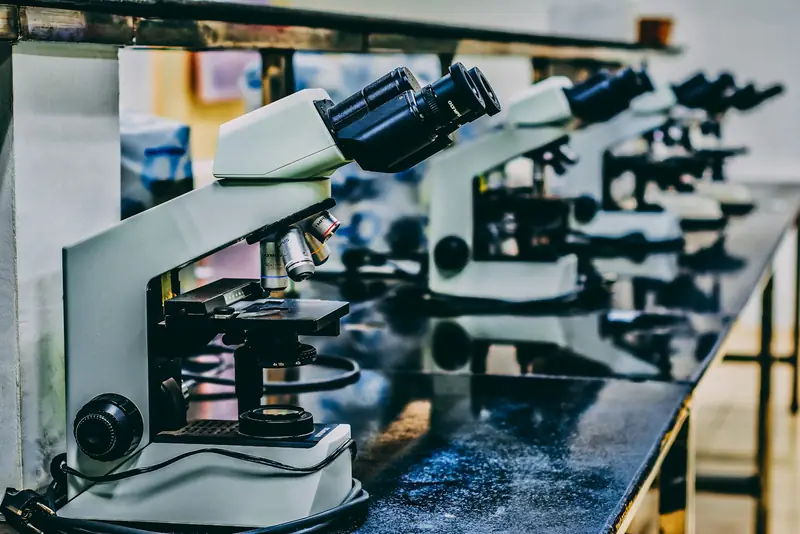
Antimicrobial Susceptibility Testing and Reporting
This course develops competence in antimicrobial susceptibility testing methods and the interpretation of results. Delegates practise disk diffusion and dilution techniques and learn how to apply recognised interpretive standards. The programme also addresses quality control strains and the reporting of resistance patterns to support treatment decisions.
Measurement Uncertainty and Method Validation for Laboratories
This programme provides the statistical and practical skills needed to validate methods and estimate measurement uncertainty. Participants learn to plan validation studies, evaluate performance characteristics and express uncertainty in reported results. The course supports laboratories seeking technical credibility and accreditation.
Internal Auditing for Testing and Calibration Laboratories
This course trains laboratory staff to plan and conduct effective internal audits of their quality management system. Delegates learn audit techniques, evidence gathering and the writing of clear findings against ISO/IEC 17025. The programme builds the confidence needed to drive improvement rather than simply record compliance.
Histopathology and Cytology Laboratory Techniques
This course covers the preparation and examination of tissue and cell specimens in the diagnostic laboratory. Participants study fixation, processing, sectioning and staining alongside quality checks for slide preparation. The programme supports technologists working in anatomical pathology services.
Blood Transfusion Science and Laboratory Practice
This programme develops the knowledge and skills required for safe blood transfusion laboratory work. Delegates study blood grouping, antibody screening and compatibility testing within a strong safety and traceability framework. The course emphasises the prevention of transfusion errors and the correct handling of blood components.
Data Integrity and Documentation Control in the Laboratory
This course addresses the principles and practices that keep laboratory data reliable, complete and defensible. Participants learn documentation control, record keeping and the expectations that data be attributable, legible and contemporaneous. The programme covers both paper and electronic environments.
Chromatography and Spectroscopy for Analytical Laboratories
This course builds practical competence in the chromatographic and spectroscopic techniques used across analytical laboratories. Delegates study the principles of separation and detection and apply them to sample preparation, analysis and interpretation. The programme also covers system suitability and troubleshooting of common instruments.
Proficiency Testing and Interlaboratory Comparisons
This course explains how laboratories use proficiency testing and interlaboratory comparisons to demonstrate ongoing competence. Participants learn to select suitable schemes, participate correctly and interpret performance scores. The programme also covers the investigation and correction of unsatisfactory results.
Biobanking and Specimen Storage Management
This course covers the systematic collection, storage and retrieval of biological specimens for research and diagnostic use. Delegates study cold chain management, inventory control and the ethical and consent considerations that govern stored samples. The programme supports facilities that maintain long term specimen collections.
Stability Testing and Shelf Life Determination
Shelf life claims must be supported by evidence generated under controlled conditions. This course covers designing stability studies, running them under the right storage conditions and interpreting the data behind an expiry date.
Cleaning Validation and Contamination Control
Shared equipment carries residue from one product into the next unless cleaning is proven rather than assumed. This course covers designing cleaning validation, selecting limits and sampling in a way that stands up to inspection.
Laboratory Method Transfer and Verification
A method that works in one laboratory frequently fails in another for reasons nobody documented. This course covers transferring analytical methods between sites and verifying that the receiving laboratory produces equivalent results.
Parasitology and Tropical Disease Diagnostics
Parasitic infection remains a major diagnostic workload across much of Africa, and identification still rests heavily on microscopy. This course covers specimen handling, staining and morphological identification alongside the newer rapid and molecular methods.
Laboratory Waste and Chemical Disposal
Laboratories generate small volumes of many hazardous waste streams, which makes segregation harder than in industry. This course covers classification, segregation, storage and lawful disposal of laboratory waste.
Immunology and Serology Techniques
Serological testing underpins diagnosis across infectious disease, transfusion and autoimmunity. This course covers the principles behind antibody based assays and the interpretation and quality control they demand.
Laboratory Automation and Workflow Design
Automation raises throughput only when the workflow around it is redesigned. This course covers selecting and integrating analysers, and reorganising the laboratory around the flow of specimens rather than the equipment.
Veterinary Laboratory Diagnostics
Animal disease diagnosis carries production and public health consequences and often has to be done quickly with limited history. This course covers specimen handling, testing and reporting in a veterinary laboratory setting.
Soil, Plant and Fertiliser Analysis
Fertiliser recommendations rest on analysis, and poor sampling invalidates the best laboratory work. This course covers sampling, preparation and the analytical methods behind agricultural soil and plant testing.
Forensic Laboratory Techniques
Forensic results are tested in court, so continuity and documentation matter as much as the analysis. This course covers evidence handling, the main analytical techniques and the reporting standards forensic work requires.
Water Treatment Chemistry and Analysis
Treatment decisions rest on analysis, and misreading a result can put a supply at risk. This course covers the chemistry behind water treatment and the analytical work that controls it.
Mineral and Metallurgical Assay
Assay results determine the value of a shipment and are contested when they differ. This course covers sample preparation and assay methods for minerals, and the quality control that makes results defensible.
Pharmaceutical Quality Control Testing
Pharmaceutical release testing decides whether a batch reaches patients, and every step must be documented to survive inspection. This course covers the testing regime and documentation that regulated manufacture requires.
Cell Culture and Aseptic Laboratory Practice
Cell culture fails through contamination that is usually introduced by technique rather than by equipment. This course covers maintaining cultures and working aseptically with confidence.
Analytical Instrument Troubleshooting
Instrument problems are often solved by replacing parts until the symptom disappears. This course covers systematic diagnosis of analytical instrumentation so faults are understood rather than swapped out.
Titration and Classical Wet Chemistry
Instrumental methods get the attention, but a great deal of routine analysis still rests on titration done carefully. This course covers classical analytical techniques and the accuracy they demand.
Microscopy Techniques and Maintenance
Microscopes give poor results when they are set up badly, and most users never learn the adjustments that matter. This course covers using and maintaining laboratory microscopes properly.
Reference Materials and Standards Management
Results are only traceable if the standards behind them are what the label claims. This course covers selecting, storing and using reference materials so results stand up.
Mycology and Fungal Identification
Fungal infections are rising and are frequently misidentified or missed entirely. This course covers isolating, culturing and identifying fungi in a diagnostic laboratory.
Laboratory Ventilation and Facility Design
Laboratory safety depends on airflow that nobody can see and few verify. This course covers designing and verifying laboratory ventilation and layout.
Out of Specification Investigations
An out of specification result is treated as a problem with the sample until somebody proves otherwise, which is exactly the wrong way round. This course covers investigating them defensibly.
Molecular Diagnostics and PCR Techniques
Amplification finds what culture cannot, and it will just as readily amplify contamination introduced by the person running it. This course covers molecular testing and the discipline it demands.
Laboratory Staff Competency Assessment
Accreditation requires proof that each analyst can do each test, and a signed training record is not proof. This course covers assessing competence in a way an assessor accepts.
Analytical Method Development
Developing a method is where most of the eventual trouble is either designed out or built in, long before validation starts. This course covers developing methods that will hold up.
Microbiological Media Preparation and Control
A plate that grows nothing can mean a clean sample or a dead medium, and only the control regime tells you which. This course covers preparing and controlling media you can trust.
Reagent and Consumable Control in the Laboratory
An expired reagent or an unverified consumable invalidates every result that depended on it, and the discovery usually comes months of testing later. This course covers controlling both.
Pipetting Technique and Volume Verification
Pipetting error is invisible, systematic, and sits underneath every result the laboratory produces. This course covers technique and proving the volume delivered is the volume intended.
Weighing and Balance Verification
A balance that has drifted reports wrong results confidently and for months, because the reading still looks entirely reasonable. This course covers weighing correctly and proving the balance is right.
Wine, Beverage and Fermentation Analysis
Fermented products are judged on a specific set of measurements that decide whether a batch is sound, saleable and correctly labelled. This course covers those tests and how to run them so the numbers can be relied on.
Statistical Quality Control and Control Charts in the Laboratory
A control chart shows that an analytical process has shifted while there is still time to act, rather than after the results have gone to a customer. This course covers setting charts up, reading them and acting on them.
Stability Chamber and Cold Room Qualification
A chamber that drifts quietly invalidates every sample it held, and the loss is usually found months later. This course covers mapping, qualifying and monitoring controlled temperature equipment.
Rapid Microbiological Methods and Validation
Faster microbiological results are available, and the obstacle is rarely the instrument. It is proving the new method is at least as good as the one it replaces. This course covers that comparison.