Oil, Gas & Energy training courses
Technical and commercial capability for the energy sector, upstream to downstream.
Delivered in-house at your premises, as public sessions in Johannesburg, Cape Town, Durban, Pretoria, Dubai and London, or live online. Courses run 2 Days, 3 Days, 5 Days, from R10,000 per delegate.
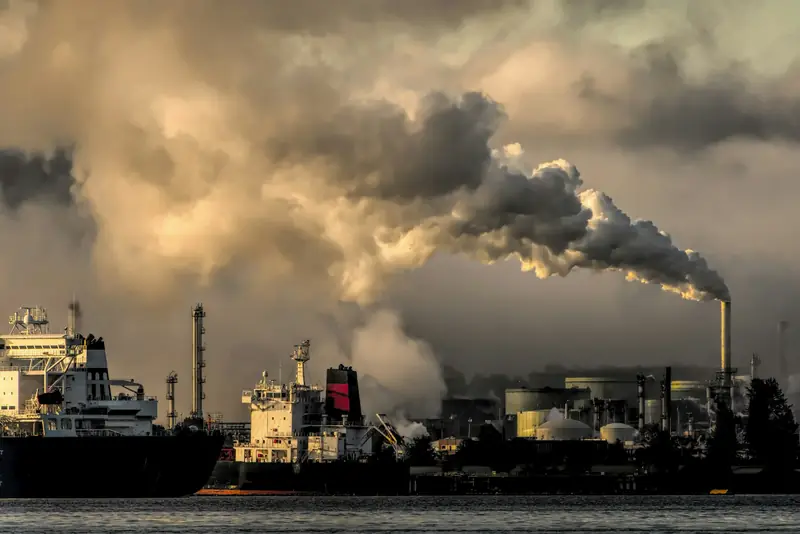
Fundamentals of the Upstream Oil and Gas Industry
This course gives non-technical and new entrant professionals a clear picture of how the upstream sector finds and produces hydrocarbons. Delegates follow the value chain from exploration and drilling through reservoir management to production operations and abandonment. The programme demystifies the terminology, technology, and economics so that support staff can engage confidently with technical colleagues.
Liquefied Natural Gas Value Chain and Operations
Delegates gain a thorough understanding of the liquefied natural gas business from gas supply through liquefaction, shipping, and regasification. The course covers plant technology, cargo operations, quality specifications, and the commercial structures that underpin long term LNG trade. The programme suits professionals entering or supporting the fast growing gas sector.

Petroleum Economics and Project Evaluation
This course equips professionals to evaluate the commercial viability of petroleum projects using rigorous economic analysis. Delegates build cash flow models, apply discounting and investment indicators, and test decisions against price, cost, and production uncertainty. The programme also covers the fiscal terms and risk factors that shape investment decisions in the sector.
Oil and Gas Production Facilities and Process Operations
Delegates learn how surface production facilities separate, treat, and prepare oil, gas, and water for sale or disposal. The course covers separators, treaters, compression, metering, and the utility systems that support them. Practical discussion links equipment function to safe and efficient day to day operation.

Process Safety Management for the Energy Sector
This course addresses the discipline that prevents major accidents such as fires, explosions, and toxic releases in oil, gas, and petrochemical facilities. Delegates study the elements of a process safety management system, hazard identification methods, and the management of change and asset integrity. Real incident case studies reinforce why process safety differs from personal safety.

Well Integrity and Well Control Awareness
Delegates gain a solid awareness of the barriers and controls that keep wells safe from drilling through to abandonment. The course explains well barrier principles, the causes of kicks and blowouts, and the equipment and procedures used to keep hydrocarbons contained. The programme suits technical and support staff who need to understand well integrity without operating the equipment.

Renewable Energy Systems and the Energy Transition
This course gives delegates a structured understanding of the technologies and economics reshaping the global energy mix. Participants study solar, wind, and storage systems, grid integration challenges, and the policy drivers behind decarbonisation. The programme helps traditional energy professionals position themselves and their organisations for the transition.
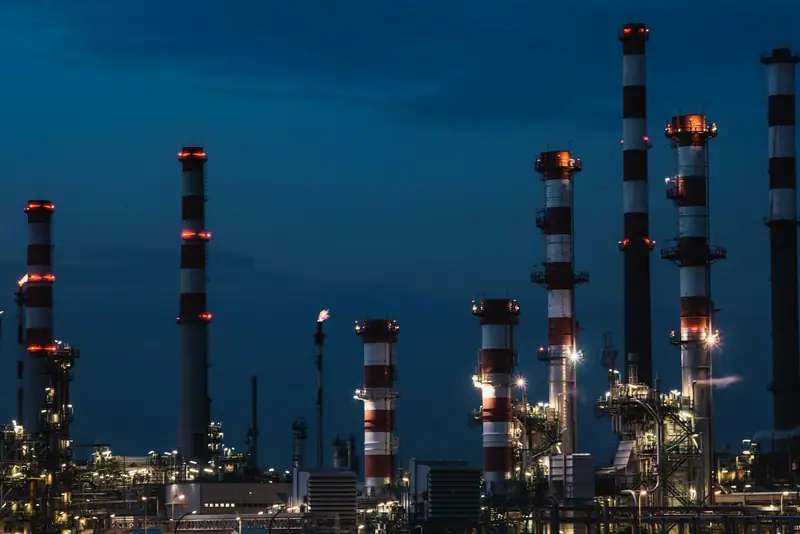
Refinery Operations and Petroleum Processing
Delegates learn how crude oil is transformed into fuels and other products through the main refining processes. The course covers distillation, conversion units such as catalytic cracking and reforming, product treating, and blending to specification. Discussion connects unit operation to product yield, quality, and refinery margin.
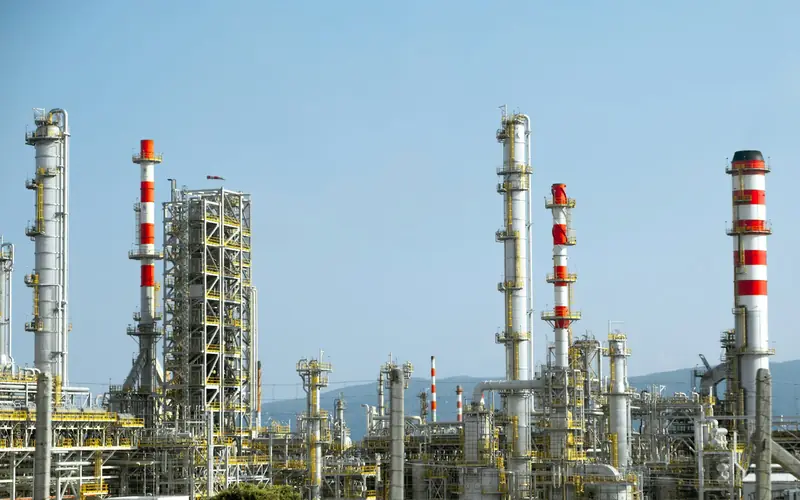
Pipeline Integrity Management and Corrosion Control
This course equips delegates to manage the integrity of oil and gas pipelines throughout their operating life. Topics include threat identification, in-line inspection, corrosion mechanisms, cathodic protection, and repair decision making. The programme emphasises a structured integrity management process that keeps pipelines safe and compliant.
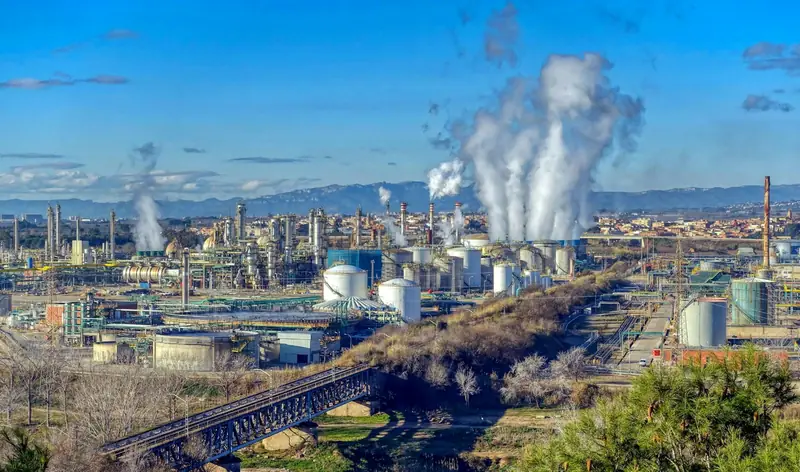
Oil and Gas Contracts and Production Sharing Agreements
Delegates learn to understand and manage the principal contracts that govern how petroleum is explored, produced, and shared between states and companies. The course covers concessions, production sharing agreements, joint operating agreements, and service contracts, together with the fiscal mechanisms inside them. Practical sessions unpack cost recovery, profit splits, and common negotiation points.
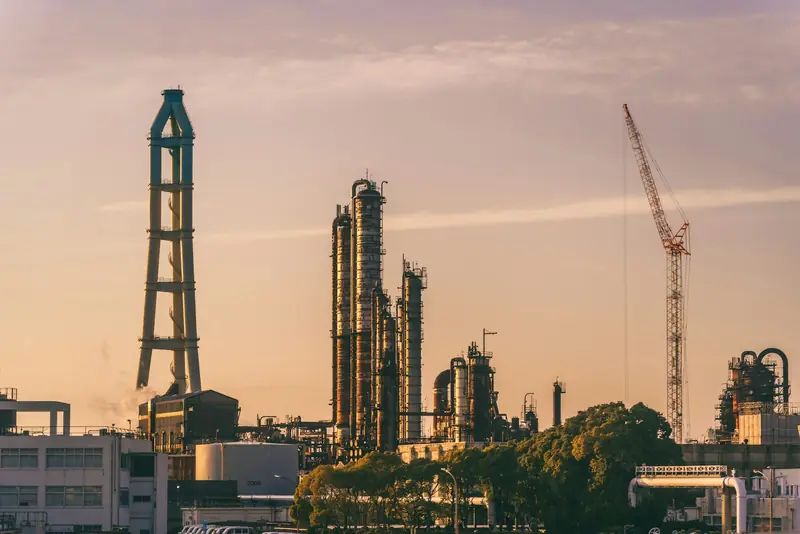
Gas Processing and Treatment Technology
This course explains how raw natural gas is cleaned and conditioned to meet pipeline and sales specifications. Delegates study acid gas removal, dehydration, sulphur recovery, and the extraction of natural gas liquids. The programme links each processing step to product quality, environmental limits, and operating cost.
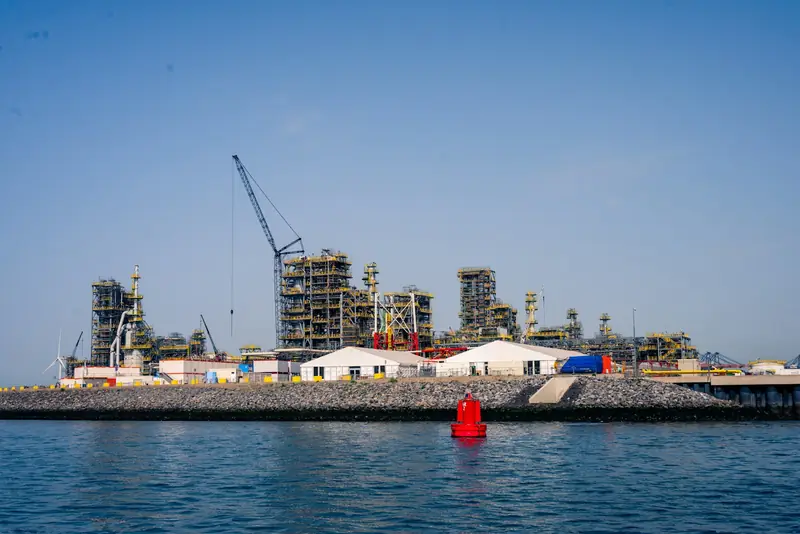
Energy Trading and Risk Management
Delegates learn how crude oil, refined products, gas, and power are traded and how the associated price risk is managed. The course covers physical and paper markets, pricing benchmarks, hedging with futures and options, and the controls that keep trading within mandate. Practical exercises build fluency in reading market structure and constructing simple hedges.
Reservoir Engineering and Enhanced Oil Recovery
This course develops an understanding of how reservoirs behave and how recovery can be maximised over field life. Delegates study reservoir drive mechanisms, material balance, reserves estimation, and the main secondary and enhanced recovery techniques. The programme connects reservoir behaviour to production strategy and asset value.
Offshore Installations Safety and Emergency Response
Delegates learn the safety management and emergency response arrangements that protect people and assets on offshore platforms and vessels. The course covers major hazard management, safety cases, evacuation and escape systems, and the command structures used during emergencies. Case studies from past offshore incidents reinforce the lessons.
Carbon Management and Emissions Reduction in Energy
This course helps energy professionals measure, report, and reduce greenhouse gas emissions across their operations. Delegates study emissions accounting, methane management, carbon capture and storage, and the carbon pricing and reporting frameworks shaping the sector. The programme translates decarbonisation commitments into practical operational actions.
Power Generation and Electricity Grid Fundamentals
Delegates gain a clear understanding of how electricity is generated, transmitted, and distributed to consumers. The course covers thermal, hydro, and renewable generation, transmission and distribution networks, and the operation of the system to balance supply and demand. The programme suits professionals entering the power sector or working alongside it.
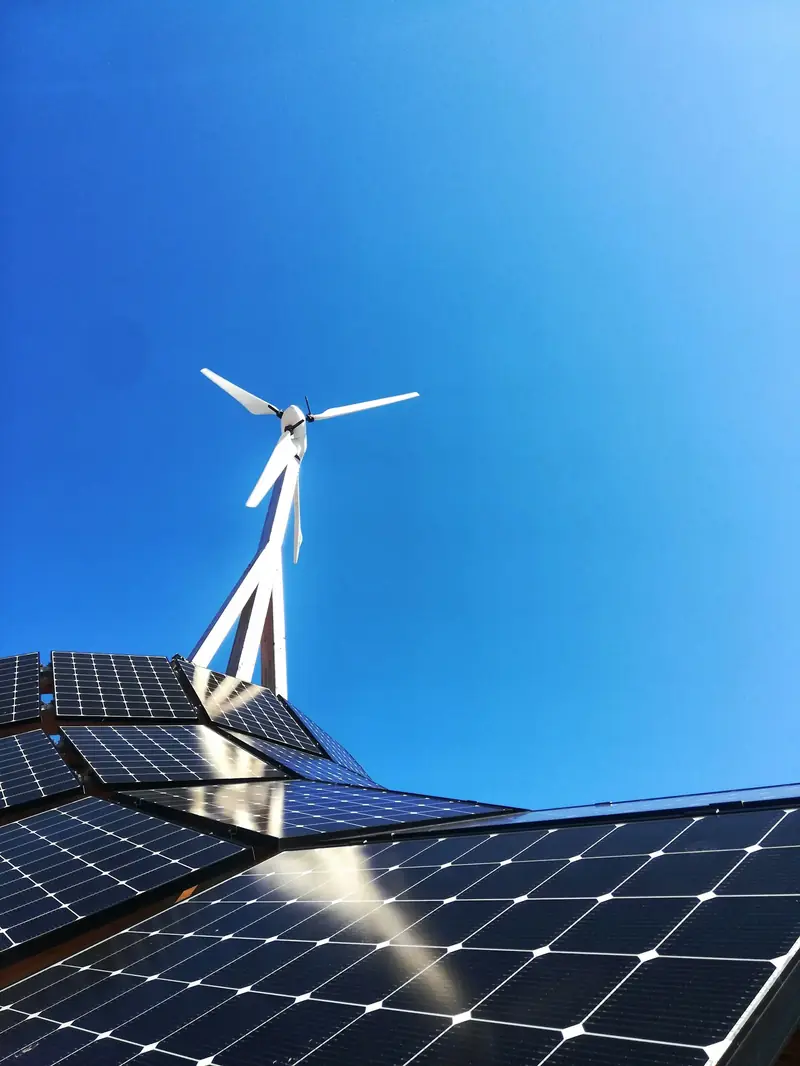
Crude Oil and Product Marketing and Logistics
This course covers how crude oil and refined products move from producer to market and how they are priced along the way. Delegates study supply chains, storage and terminals, marine and inland transport, and the quality and loss control that protect margin. The programme links logistics decisions to commercial performance.
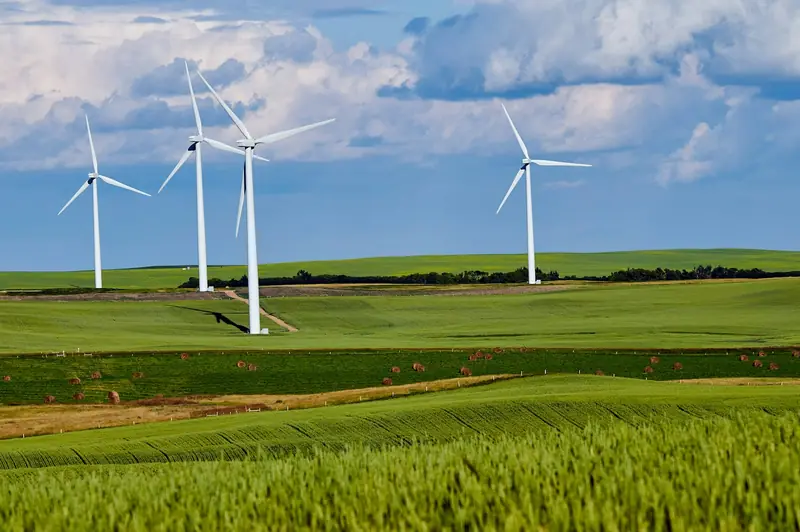
Drilling Technology and Well Construction
Delegates gain a structured understanding of how wells are planned and drilled from spud to completion. The course covers rig systems, drilling fluids, casing and cementing, directional drilling, and the coordination of the many services involved. The programme suits technical and support professionals who need to follow drilling operations with confidence.

Asset Integrity and Maintenance Management for Facilities
This course develops the practices that keep ageing oil, gas, and energy facilities safe, available, and cost effective. Delegates study risk-based inspection, reliability centred maintenance, safety critical element management, and maintenance planning and scheduling. The programme connects integrity assurance directly to production uptime and major accident prevention.
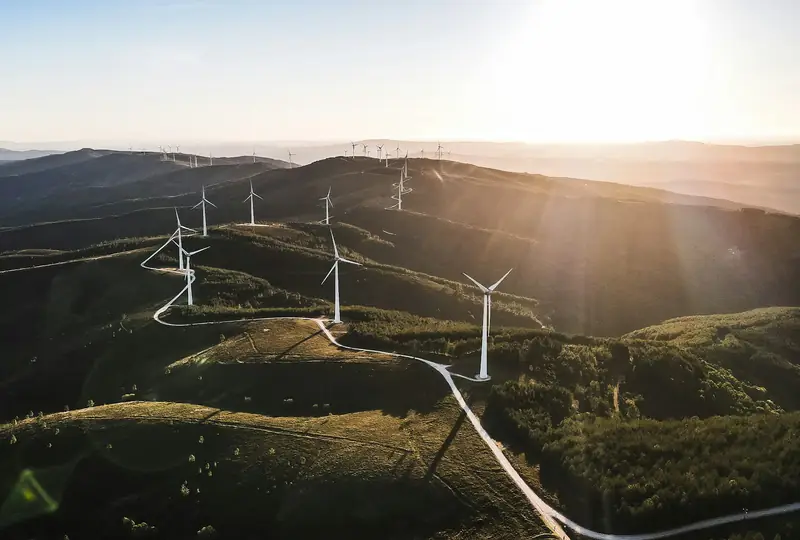
Natural Gas Distribution and Utilisation
Delegates learn how natural gas is delivered from transmission systems to industrial, commercial, and residential users. The course covers pressure regulation, metering, network design, and the safe utilisation of gas in burners and appliances. The programme emphasises the safety and reliability priorities of gas distribution.
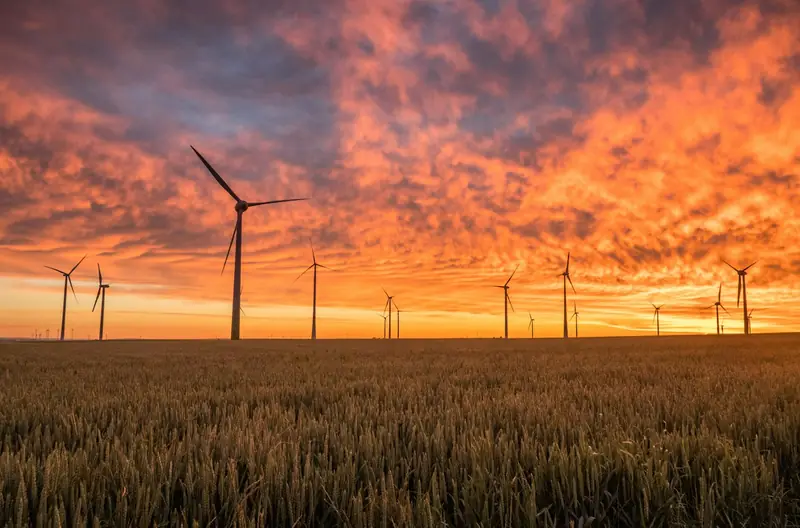
Petroleum Fiscal Regimes and Government Take
This course examines how governments capture value from petroleum resources and how those fiscal choices affect investment. Delegates study royalties, production sharing, taxes, and bonuses, and learn to calculate government take under different regimes. The programme suits both government officials and company staff who must model and negotiate fiscal outcomes.
Hydrogen and Future Fuels for the Energy Sector
This course gives energy professionals a grounded understanding of hydrogen and other emerging low carbon fuels. Delegates study production methods, storage and transport challenges, end use applications, and the economics that will decide which pathways scale. The programme separates realistic near term opportunities from longer term prospects.
Flow Measurement and Hydrocarbon Allocation
When several parties share a pipeline or processing facility, the measurement system decides who is paid for what. This course covers metering technology, uncertainty and the allocation calculations that turn measurement into money.
Tank Farm and Terminal Operations
Storage terminals concentrate large inventories of flammable product alongside constant movement. This course covers tank design, transfer operations, loss control and the safety systems that keep a terminal running without incident.
Energy Procurement and Contracting
Large energy buyers can cut cost significantly through how they buy rather than how much they use. This course covers tariff structures, contracting options and the hedging decisions that manage price exposure.
Subsea Systems and Offshore Engineering Awareness
Subsea developments carry costs and constraints that surface facilities do not. This course gives an overview of subsea architecture, installation and intervention for staff who support offshore projects without being subsea specialists.
Decommissioning and Site Restoration
Every producing asset eventually has to be shut down, cleaned up and handed back. This course covers planning and executing decommissioning, from regulatory obligations and cost provisioning through to site restoration.
Fuel Retail and Service Station Management
Service stations run on thin margins across fuel, shop and forecourt services at once. This course covers wet stock control, forecourt safety and the retail disciplines that decide whether a site makes money.
Energy Sector Contracts and Joint Ventures
Energy projects are held together by agreements between parties who each carry different risk. This course covers the main agreement types and how costs, liabilities and decisions are shared across a venture.
Flare, Vent and Emissions Management
Flaring and venting attract regulatory attention, carry cost and waste product. This course covers measuring, reporting and reducing emissions from process operations.
Rotating Equipment in Process Plants
Compressors, pumps and turbines are the machines that stop production when they fail. This course covers their operation, monitoring and the failure modes that most often take a plant offline.
Downstream Marketing and Fuel Distribution
Moving fuel from terminal to customer involves tight margins, product quality risk and a fleet carrying dangerous goods. This course covers the commercial and operational management of fuel distribution.
Process Plant Operations and Startup
Startup and shutdown are when process plants are least stable and most incidents occur. This course covers running a plant through its operating modes safely, including the transitions.
Energy Storage and Grid Stability
As variable generation grows, keeping a grid stable becomes a storage and control problem. This course covers the services storage provides to a grid and how they are technically and commercially delivered.
Petroleum Product Quality and Testing
Off specification fuel damages engines and reputations, and disputes turn on test results. This course covers the specifications, sampling and testing that govern petroleum product quality.
Energy Regulation and Licensing
Energy businesses operate under licences whose conditions govern price, access and reporting. This course covers the regulatory framework and how to engage with a regulator effectively.
Bulk Fuel Storage Safety and Compliance
Bulk fuel storage concentrates fire and environmental risk, and the controls are heavily prescribed. This course covers the standards governing storage facilities and how compliance is demonstrated.
Artificial Lift Systems
Most wells stop flowing naturally long before they stop producing, and the lift method chosen determines cost and uptime for the rest of the well's life. This course covers selecting and operating lift systems.
Oil Spill Response Planning
Spill response is judged on the first hours, when decisions are made with incomplete information and considerable scrutiny. This course covers preparing and executing a response.
Local Content and Community Relations in Energy
Energy projects carry obligations to local suppliers and communities that are enforced through licences and disrupted operations when ignored. This course covers meeting them credibly.
Mud Logging and Formation Evaluation
What comes back up the well tells you what the formation contains, provided someone reads it correctly. This course covers surface logging and interpreting formation data while drilling.
Corrosion Under Insulation
Corrosion beneath insulation is hidden until a leak or a failure exposes it, and inspection is expensive because the insulation must come off. This course covers managing this specific risk.
Distillation Column Operation and Troubleshooting
A column that will not make specification is usually telling you something specific, and the answer is rarely more reflux. This course covers reading a column and correcting it.
Heat Exchangers and Fired Heaters
Fouled exchangers and poorly fired heaters quietly consume fuel and cap plant throughput long before anything trips. This course covers keeping both operating near their design duty.
Produced Water Treatment and Disposal
Most oil fields lift far more water than oil, and what to do with it decides both cost and environmental exposure. This course covers treating and disposing of produced water properly.
Well Servicing and Workover Operations
A well that has stopped producing is rarely finished, but getting it back costs more than it should when the intervention is planned badly. This course covers well servicing from diagnosis to handover.
Bunkering and Marine Fuel Operations
Bunkering moves large volumes of fuel between two moving assets, in public water, under sulphur rules that changed what may be delivered. This course covers doing it safely and correctly.