Health, Safety & Environment training courses
Protect people and sites with rigorous safety systems, risk control and compliance.
Delivered in-house at your premises, as public sessions in Johannesburg, Cape Town, Durban, Pretoria, Dubai and London, or live online. Courses run 2 Days, 3 Days, 5 Days, from R10,000 per delegate.
Process Safety Management Fundamentals
This course examines the systematic approach used to prevent major accidents involving hazardous chemicals and processes. Participants study the core elements of a process safety programme, from hazard identification through to mechanical integrity and emergency response. The programme draws on recognised frameworks and real incident case studies to build practical competence.
Incident Investigation and Root Cause Analysis
Effective investigation turns a workplace incident into a lasting improvement rather than a repeated failure. This course teaches structured techniques for gathering evidence, reconstructing events, and identifying the underlying causes of accidents and near misses. Delegates practise interviewing, timeline building, and the development of corrective actions that address system weaknesses.
Behaviour Based Safety Programme Design
Many injuries trace back to at risk behaviours that safety systems alone cannot control. This course shows how to design and run a behaviour based safety observation programme that reinforces safe habits and reduces incidents. Participants learn to define target behaviours, train observers, and use feedback to shift workplace culture.
Working at Height Safety and Rescue Planning
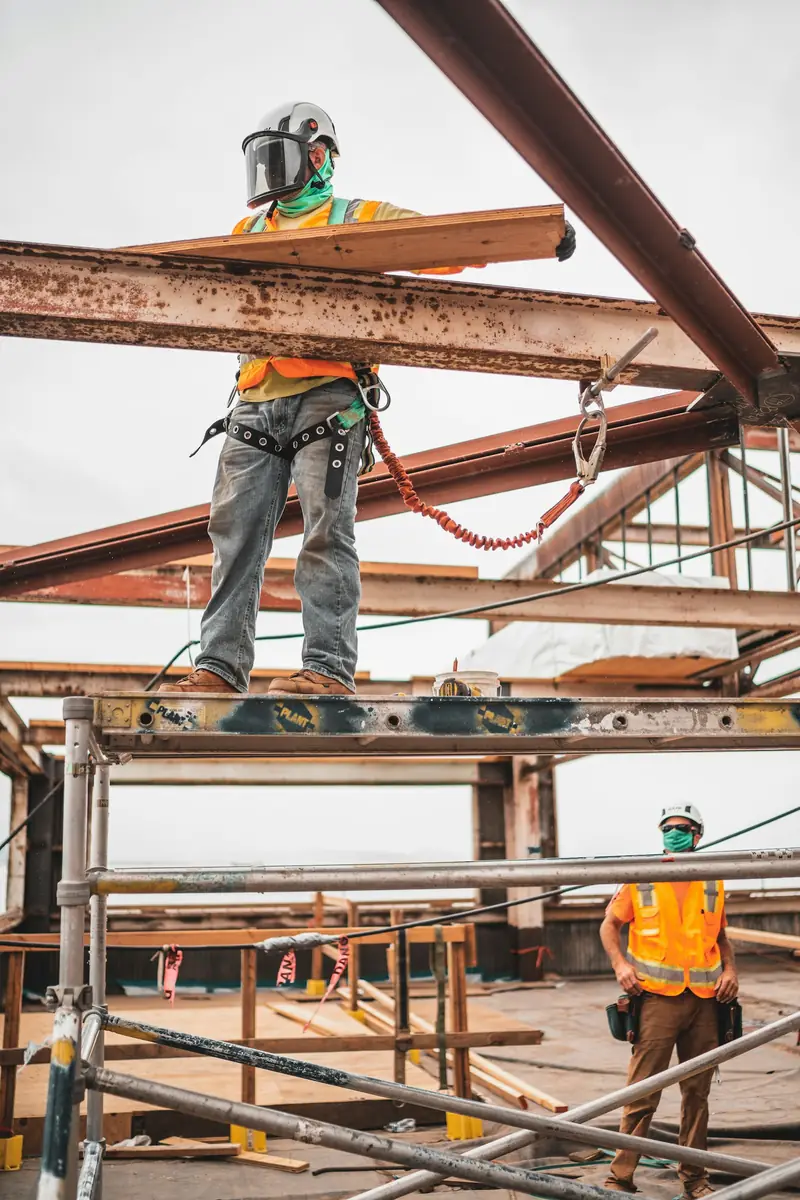
Falls from height remain one of the leading causes of serious workplace injury across construction and industry. This course covers the selection, inspection, and correct use of fall protection systems together with the planning of prompt rescue. Delegates learn to assess height related risks and put practical controls in place.
Environmental Management Systems to ISO 14001
Organisations increasingly need to demonstrate credible management of their environmental impact. This course guides participants through the establishment, implementation, and continual improvement of an environmental management system aligned to ISO 14001. The content covers aspect identification, legal compliance, objectives, and audit preparation.
Permit to Work Systems and Control of Work
High risk maintenance and operational tasks depend on a robust permit to work system to keep people safe. This course explains how to design, issue, and audit permits for hot work, confined space entry, and other hazardous activities. Participants practise the roles of issuer and receiver through realistic scenarios.
Confined Space Entry and Gas Testing
Confined spaces present a combination of atmospheric, physical, and access hazards that demand careful management. This course prepares delegates to plan entries, test the atmosphere, and supervise work safely inside tanks, vessels, and other enclosed areas. Emphasis is placed on ventilation, monitoring, and rescue readiness.
Occupational Health and Industrial Hygiene
Long term exposure to noise, dust, chemicals, and other agents can cause serious ill health that appears years later. This course covers the recognition, evaluation, and control of occupational health hazards in the workplace. Participants study exposure limits, monitoring methods, and the design of effective control programmes.

Fire Safety Engineering and Emergency Evacuation
Protecting people and assets from fire requires more than extinguishers on the wall. This course examines fire behaviour, detection and suppression systems, and the planning of safe evacuation for buildings and facilities. Delegates learn to conduct fire risk assessments and prepare emergency response arrangements.
Construction Site Health and Safety Supervision
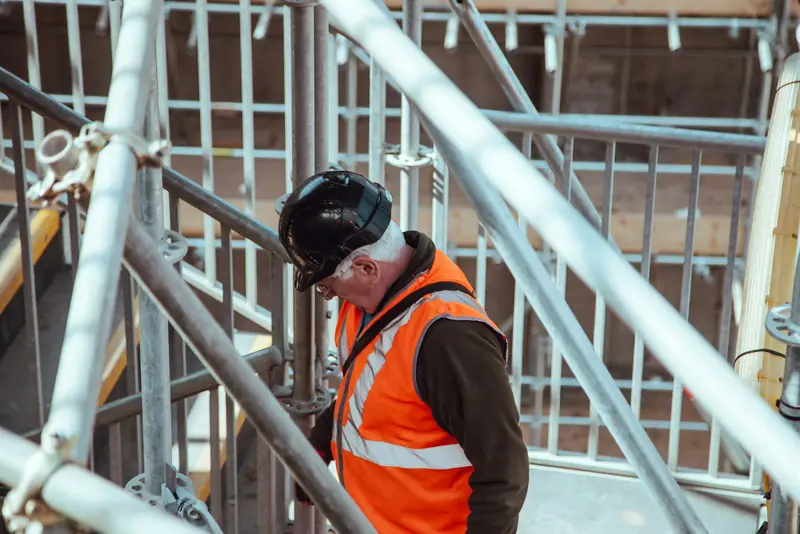
Construction combines many trades, moving plant, and changing conditions on a single site. This course equips supervisors to manage the safety of their teams across the full range of common construction activities. The programme covers excavations, scaffolding, plant, and the coordination of subcontractors.
Hazard Identification and Risk Assessment
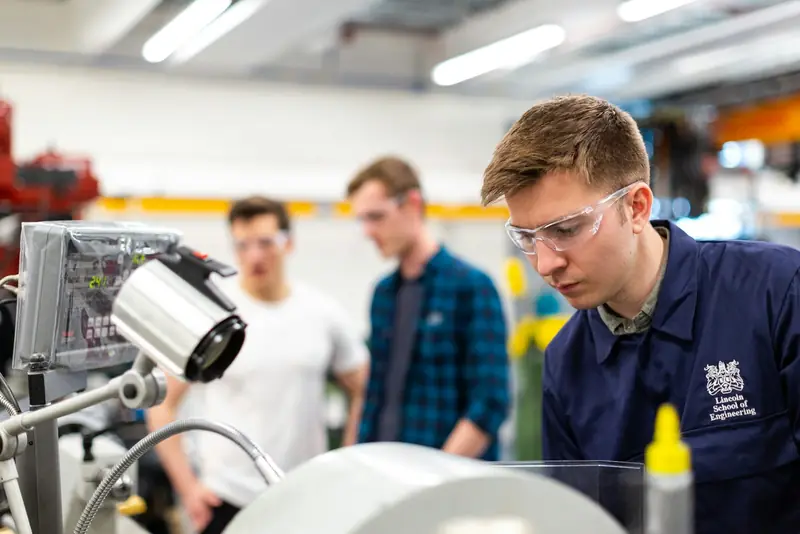
Risk assessment sits at the heart of every effective safety management system. This course teaches a practical and repeatable method for identifying hazards, evaluating risk, and selecting controls that are reasonable and proportionate. Participants complete assessments for a variety of workplace activities.

Safety Leadership for Senior Managers
The tone set by senior leaders shapes the safety culture of the whole organisation. This course helps managers understand their personal role in preventing harm and demonstrates the behaviours that build a positive safety climate. Delegates examine how decisions on resources, priorities, and communication affect safety outcomes.
Managing Contractor Safety and Compliance
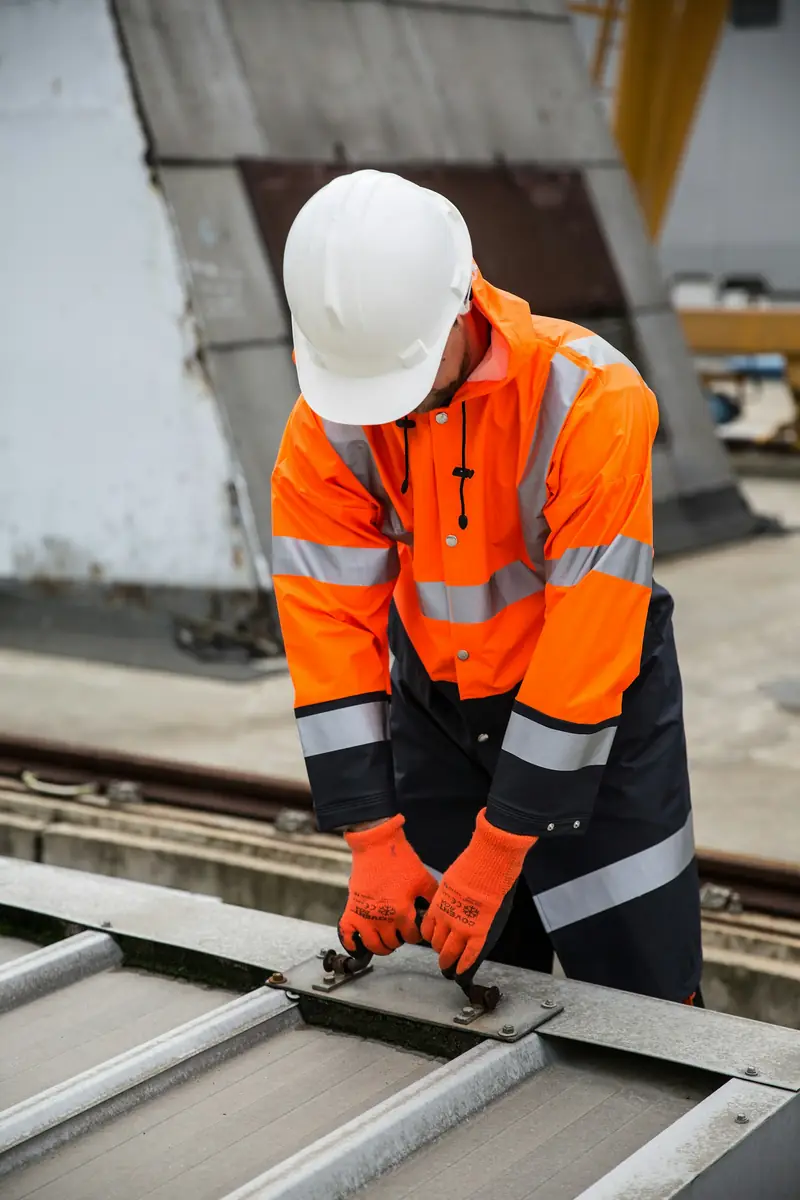
Contractors often carry out the highest risk work on a site yet may be least familiar with its hazards. This course covers the full contractor safety lifecycle, from prequalification and selection through to onsite supervision and performance review. Participants learn to align contractor practices with the standards of the host organisation.

Chemical Handling, Storage and Spill Response
Safe management of chemicals depends on understanding their hazards and controlling them from delivery to disposal. This course covers classification, labelling, safe storage, and the practical response to spills and releases. Delegates learn to read safety data sheets and apply appropriate handling controls.
Road Transport and Fleet Safety Management
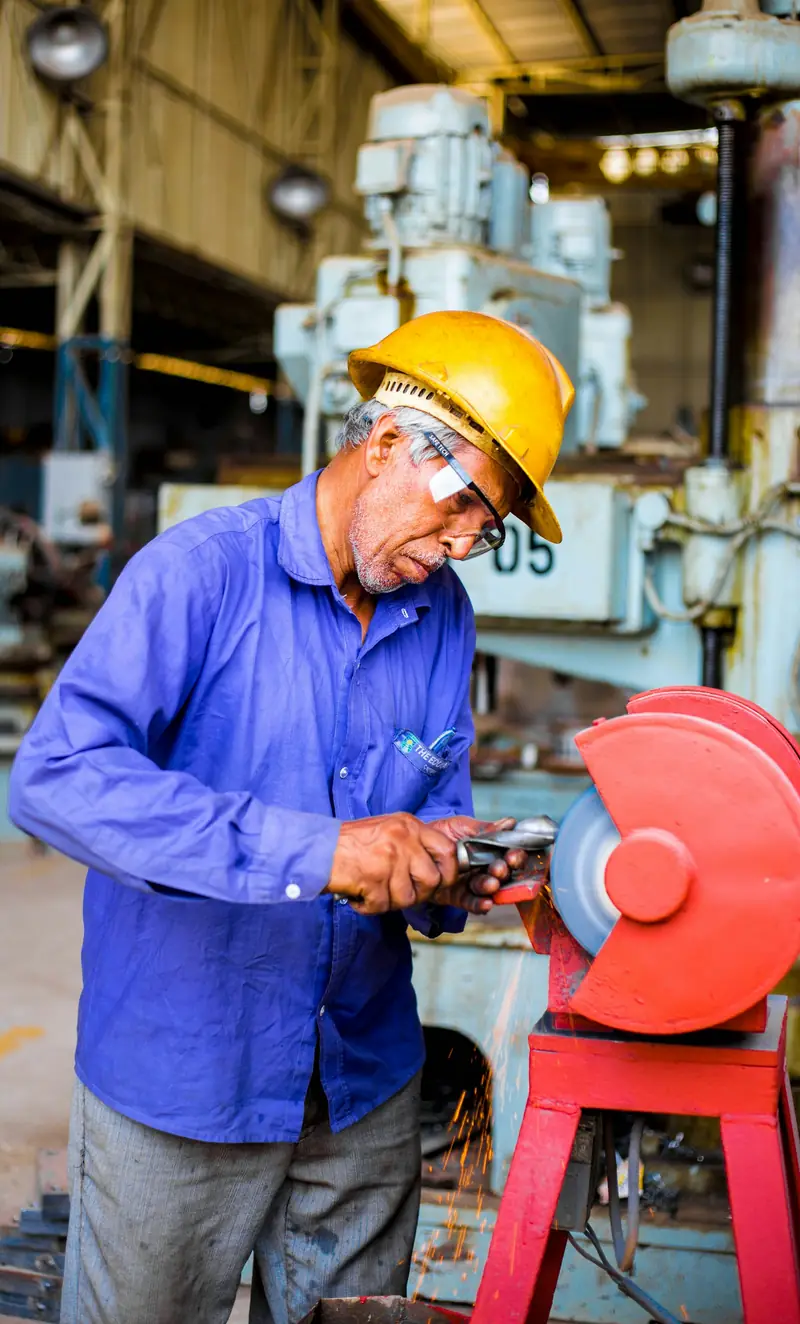
Vehicles used for work create some of the most significant risks an organisation faces, both to drivers and to the public. This course sets out how to manage occupational road risk through driver, vehicle, and journey controls. Participants build a practical framework for reducing collisions and their consequences.
Sustainability and Corporate Environmental Reporting
Stakeholders now expect organisations to measure and disclose their environmental and social performance. This course explains how to build a credible sustainability programme and report against recognised standards. Participants examine carbon accounting, materiality, and the assurance of published data.
Ergonomics and Manual Handling in the Workplace
Musculoskeletal disorders account for a large share of lost time across many industries. This course shows how to assess and improve workstations, tasks, and manual handling to reduce strain and injury. Delegates learn practical assessment tools and low cost design improvements.
Electrical Safety and Arc Flash Awareness
Electrical hazards can cause shock, burns, and fire, often with little warning. This course builds awareness of electrical risk and the controls needed to protect workers around energised equipment. Participants study isolation, arc flash, and safe working practices for both electrical and non electrical staff.
Emergency Preparedness and Crisis Response
When a major emergency strikes, the quality of preparation decides how well an organisation protects its people and continues to operate. This course covers the planning, resourcing, and exercising of emergency response arrangements. Delegates learn to build response teams and coordinate with external agencies.
Safety Auditing and Inspection Techniques
Audits and inspections reveal whether safety arrangements exist only on paper or truly work in practice. This course develops the skills needed to plan, conduct, and report on both compliance audits and field inspections. Participants practise gathering evidence and writing findings that drive improvement.
Lifting Operations and Crane Safety Management
Lifting operations combine heavy loads, complex equipment, and multiple people working in close coordination. This course covers the planning and supervision of safe lifting, from routine tasks to complex tandem lifts. Delegates study equipment selection, inspection, and the roles of the lifting team.
Waste Management and Pollution Prevention
Poorly managed waste creates cost, regulatory exposure, and lasting harm to the environment. This course sets out how to classify, handle, and dispose of waste while reducing it at source. Participants examine the waste hierarchy, duty of care, and practical pollution prevention measures.
Safety Leadership for Supervisors
Most safety outcomes are decided by what a supervisor tolerates on an ordinary shift. This course builds the visible leadership behaviours, conversations and follow through that shift a team from compliance to genuine care.
Radiation Safety and Protection
Radiation cannot be seen, smelt or felt, so protection depends entirely on measurement and procedure rather than on anyone noticing something is wrong. This course covers working with sources safely and lawfully.
Fire Safety and Evacuation Management
Fire risk is managed well on paper in most buildings and badly in practice. This course covers fire risk assessment, the prevention and detection measures that matter, and running an evacuation that accounts for everyone including those who cannot use stairs.
Welding and Hot Work Safety
Hot work starts fires hours after the welder has packed up and gone home, and the fume it produces is now treated as a carcinogen. This course covers controlling both halves of the risk.
Environmental Impact Assessment
Projects are delayed and refused more often for weak environmental process than for genuine impact. This course covers how assessments are scoped, conducted and reported so that findings are credible and conditions are workable.
Machine Guarding and Mechanical Safety
Machinery injuries are severe and almost always involve a guard that was missing, defeated or never adequate. This course covers assessing machinery risk, selecting guards and interlocks, and controlling the maintenance access that defeats them.
Noise and Vibration Control at Work
Hearing loss and vibration injury develop silently and are irreversible by the time they are noticed. This course covers measuring exposure, comparing it to limits and reducing it at source rather than relying on protection.
Working with Hazardous Substances
Chemical harm is usually slow and only obvious once it is permanent. This course covers assessing chemical exposure, understanding safety data and putting controls in place that people will actually follow.
Safety Culture Assessment and Improvement
Two sites with identical procedures produce very different safety records, and the difference is culture. This course covers measuring safety culture honestly and changing the conditions that shape everyday behaviour.
Transport of Dangerous Goods
Moving hazardous materials carries duties on the consignor, carrier and driver alike. This course covers classification, packaging, documentation and placarding for road transport, and what happens when something goes wrong en route.
Mining Health and Safety
Mining concentrates several of the most severe industrial hazards in one workplace. This course covers the controls that govern underground and surface operations, from ground stability to ventilation and legal duties.
Safety Committees and Worker Consultation
Workers see the hazards first and usually say nothing, because the last three things raised went nowhere. This course covers consultation that changes what happens on the floor.
Legionella and Water System Safety
Water systems in buildings grow bacteria whenever temperature and stagnation allow it, and the consequences are severe. This course covers assessing risk in water systems and running the control regime that prevents outbreaks.
Safety in Warehousing and Distribution
Warehouses combine moving vehicles, people on foot and stacked loads in the same space. This course covers separating those hazards and controlling the incidents that most commonly injure warehouse staff.
Working Near Water and Confined Spaces Rescue
Rescue attempts kill more people than the original incidents in confined space and water work. This course covers planning for retrieval before entry and equipping teams to rescue without becoming casualties.
Agricultural and Farm Safety
Agriculture has one of the highest fatality rates of any sector, driven by machinery, livestock and chemicals handled by small teams working alone. This course covers controlling those risks on a working farm.
Laboratory Safety and Chemical Hygiene
Laboratories combine chemical, biological and physical hazards in a small space with staff who change often. This course covers the safety regime a laboratory needs and how to sustain it through turnover.
Office and Low Risk Workplace Safety
Offices are treated as risk free, so hazards go unmanaged until someone falls, burns out or is assaulted at reception. This course covers the real risks in low hazard workplaces.
Health Surveillance Programme Design
Health surveillance is often applied to everyone equally, which wastes money and misses the people genuinely at risk. This course covers designing surveillance that matches actual exposure and produces findings worth acting on.
Environmental Monitoring and Compliance Reporting
Environmental authorisations carry monitoring and reporting conditions whose breach is easy to prove. This course covers sampling, measuring and reporting to meet licence conditions.
Asbestos Awareness and Management
Asbestos harms people who disturb it without knowing it is there, which is why the duty falls on whoever manages the building rather than whoever eventually opens the wall. This course covers meeting that duty.
Lone Working Safety
A lone worker faces ordinary hazards without the thing that usually saves people, which is somebody noticing. This course covers arranging lone work so that a problem is found in time.
Heat Stress and Working in Hot Environments
Heat illness escalates from discomfort to collapse faster than most supervisors expect, and the people at greatest risk are often the newest and the fittest. This course covers recognising and controlling it.
Slips, Trips and Falls Prevention
Falls on the level are treated as clumsiness and cause more lost days than most of the hazards that get all the attention. This course covers removing the causes rather than telling people to look where they are going.
Excavation and Trenching Safety
A cubic metre of soil weighs more than a tonne and gives no warning before it moves, which is why trench collapse kills experienced people in shallow excavations. This course covers working below ground safely.
Safety Training Design and Toolbox Talks
Most safety training is delivered because the matrix requires it, to people who already know the content and sign the register anyway. This course covers training that changes what happens on site.