
Well Integrity and Well Control Awareness
Delegates gain a solid awareness of the barriers and controls that keep wells safe from drilling through to abandonment. The course explains well barrier principles, the causes of kicks and blowouts, and the equipment and procedures used to keep hydrocarbons contained. The programme suits technical and support staff who need to understand well integrity without operating the equipment.
Course outline
What this programme covers, module by module.
- 01Explaining the well barrier envelope concept
- 02Identifying the causes of kicks and well control incidents
- 03Describing primary and secondary well control methods
- 04Outlining the function of blowout prevention equipment
- 05Recognising well integrity threats across the life cycle
- 06Keeping hydrocarbons contained from drilling to abandonment
What you will gain
- Explain the well barrier envelope concept
- Identify the causes of well control incidents
- Describe primary and secondary well control
- Outline the function of blowout prevention equipment
- Recognise well integrity threats across the life cycle
Who should attend
- Drilling and well support staff
- Well engineering trainees
- HSE professionals
- Regulatory and technical staff
Upcoming sessions
| Date | City | Duration | Fees | Book |
|---|---|---|---|---|
| 26 to 28 Oct 2026 | Pretoria | 3 Days | R13,000 | |
| 9 to 11 Nov 2026 | Durban | 3 Days | R13,000 | |
| 30 Nov to 2 Dec 2026 | Cape Town | 3 Days | R13,000 | |
| 11 to 13 Jan 2027 | Johannesburg | 3 Days | R13,000 | |
| 1 to 3 Mar 2027 | London | 3 Days | US$1,500 | |
| 10 to 12 May 2027 | Dubai | 3 Days | US$1,500 | |
| 5 to 7 Jul 2027 | Pretoria | 3 Days | R13,000 |
Fees are per delegate and exclude VAT. Public intakes are confirmed once minimum numbers are met. We also deliver this course on your own schedule, in-house or live online.
Enquire about this course
Register your team or ask for a tailored in-house quote. We reply within one working day.
WhatsApp usCourse brochure (PDF)- Fees from
- R13,000 per delegate
- Duration
- 3 Days
- Field
- Oil, Gas & Energy
- Formats
- In-house, public, online
More in Oil, Gas & Energy
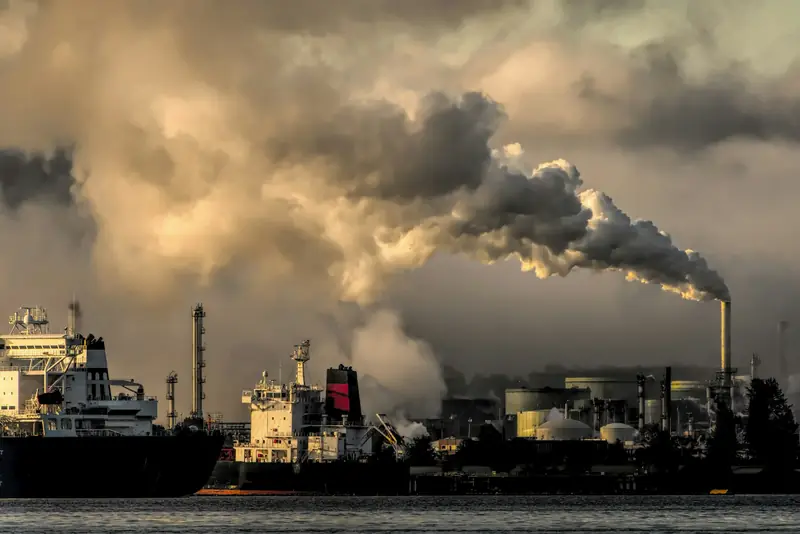
Fundamentals of the Upstream Oil and Gas Industry
This course gives non-technical and new entrant professionals a clear picture of how the upstream sector finds and produces hydrocarbons. Delegates follow the value chain from exploration and drilling through reservoir management to production operations and abandonment. The programme demystifies the terminology, technology, and economics so that support staff can engage confidently with technical colleagues.
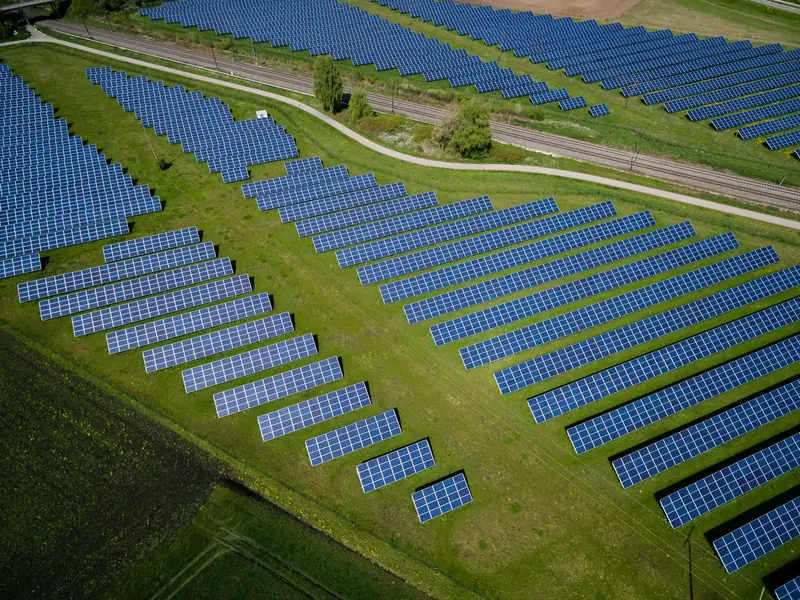
Liquefied Natural Gas Value Chain and Operations
Delegates gain a thorough understanding of the liquefied natural gas business from gas supply through liquefaction, shipping, and regasification. The course covers plant technology, cargo operations, quality specifications, and the commercial structures that underpin long term LNG trade. The programme suits professionals entering or supporting the fast growing gas sector.

Petroleum Economics and Project Evaluation
This course equips professionals to evaluate the commercial viability of petroleum projects using rigorous economic analysis. Delegates build cash flow models, apply discounting and investment indicators, and test decisions against price, cost, and production uncertainty. The programme also covers the fiscal terms and risk factors that shape investment decisions in the sector.