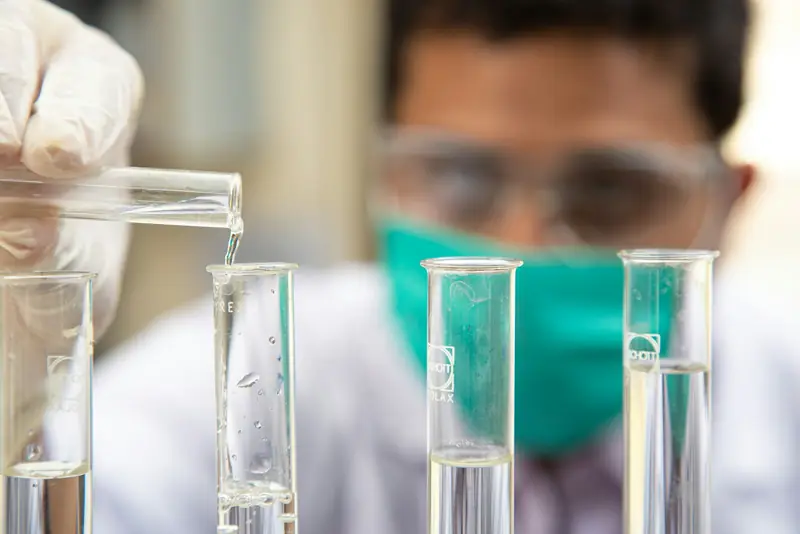
Sample Handling and Chain of Custody in the Laboratory
This course addresses the disciplined handling of samples from collection through analysis and disposal. Participants learn labelling, storage, transport and documentation practices that preserve sample integrity and defensibility. Particular attention is given to chain of custody for samples that may be used in legal or regulatory decisions.
Course outline
What this programme covers, module by module.
- 01Applying correct sampling, labelling and container selection practices
- 02Preserving sample integrity during transport, receipt and storage
- 03Establishing a defensible chain of custody record for evidential samples
- 04Registering, tracking and allocating samples through laboratory workflows
- 05Controlling temperature and conditions for perishable and sensitive samples
- 06Managing tamper evident seals and documented custody transfers
- 07Recording sample retention, return and disposal decisions
What you will gain
- Apply correct sampling, labelling and storage practices
- Maintain sample integrity during transport and handling
- Establish a defensible chain of custody record
- Manage sample receipt, registration and tracking
- Control conditions for temperature sensitive samples
- Document sample disposal and retention decisions
Who should attend
- Sample receiving and reception staff
- Laboratory technicians and analysts
- Field sampling personnel
- Quality officers responsible for sample control
Upcoming sessions
| Date | City | Duration | Fees | Book |
|---|---|---|---|---|
| 26 to 27 Oct 2026 | Durban | 2 Days | R10,000 | |
| 23 to 24 Nov 2026 | Cape Town | 2 Days | R10,000 | |
| 11 to 12 Jan 2027 | Johannesburg | 2 Days | R10,000 | |
| 15 to 16 Feb 2027 | Dubai | 2 Days | US$1,100 | |
| 19 to 20 Apr 2027 | Pretoria | 2 Days | R10,000 | |
| 28 to 29 Jun 2027 | Durban | 2 Days | R10,000 |
Fees are per delegate and exclude VAT. Public intakes are confirmed once minimum numbers are met. We also deliver this course on your own schedule, in-house or live online.
Enquire about this course
Register your team or ask for a tailored in-house quote. We reply within one working day.
WhatsApp usCourse brochure (PDF)- Fees from
- R10,000 per delegate
- Duration
- 2 Days
- Field
- Laboratory & Microbiology
- Formats
- In-house, public, online
More in Laboratory & Microbiology
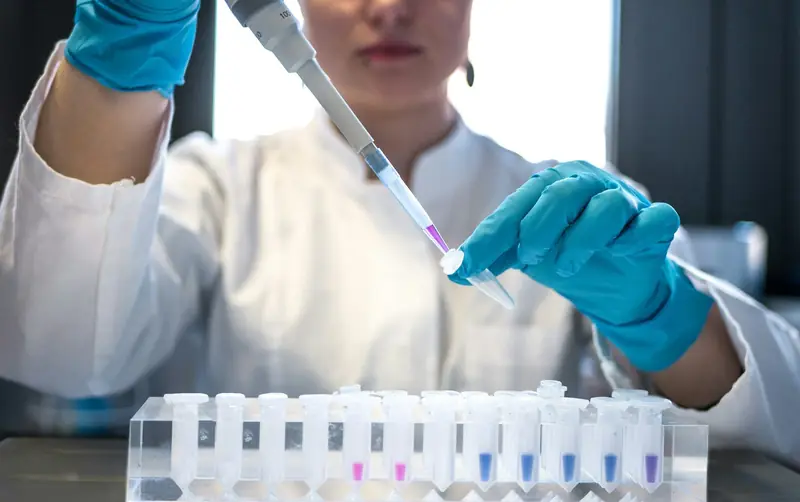
Laboratory Quality Management Systems and ISO/IEC 17025 Accreditation
This programme prepares laboratory managers and quality staff to build, document and maintain a management system that meets the requirements of ISO/IEC 17025. Participants examine competence, impartiality and consistent operation of testing and calibration laboratories, and learn how to prepare for a successful accreditation assessment. Practical sessions cover document control, corrective action and the transition from internal quality goals to formal recognition.
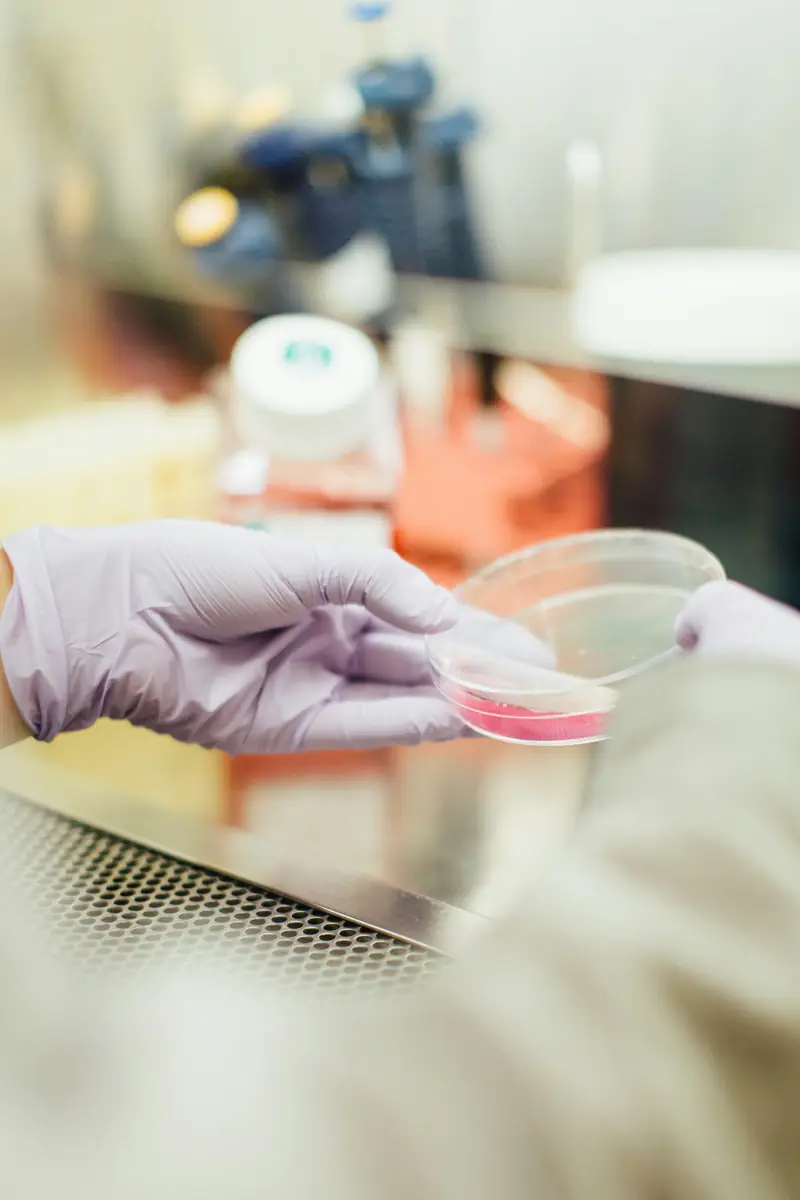
Laboratory Safety and Biosafety Management
This course equips laboratory personnel to identify, assess and control the physical, chemical and biological hazards found in a working laboratory. Delegates study biosafety levels, containment practices and the safe handling of infectious agents alongside general occupational safety duties. The training links regulatory expectations to day to day behaviour on the bench.
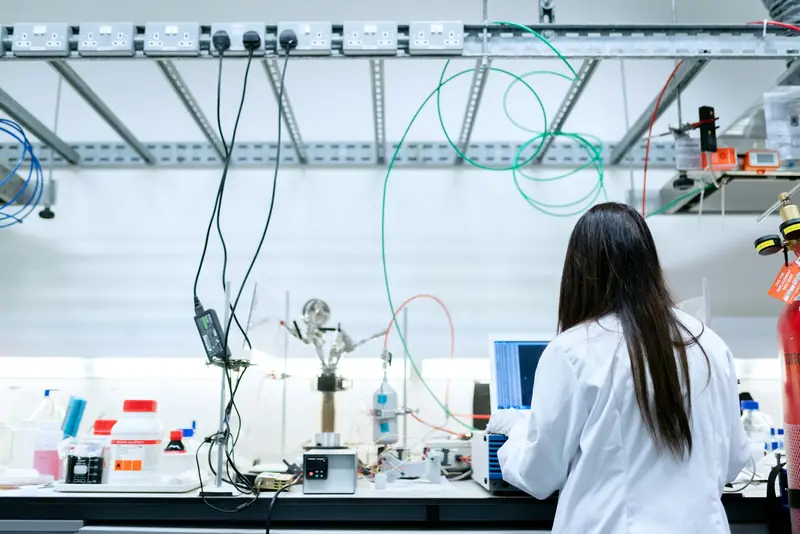
Good Laboratory Practice (GLP) for Regulated Studies
This programme explains the principles of Good Laboratory Practice as applied to non clinical health and environmental safety studies. Participants learn how GLP governs study conduct, data integrity, facilities and personnel responsibilities. The course helps laboratories align their practices with the expectations of regulatory bodies and monitoring authorities.