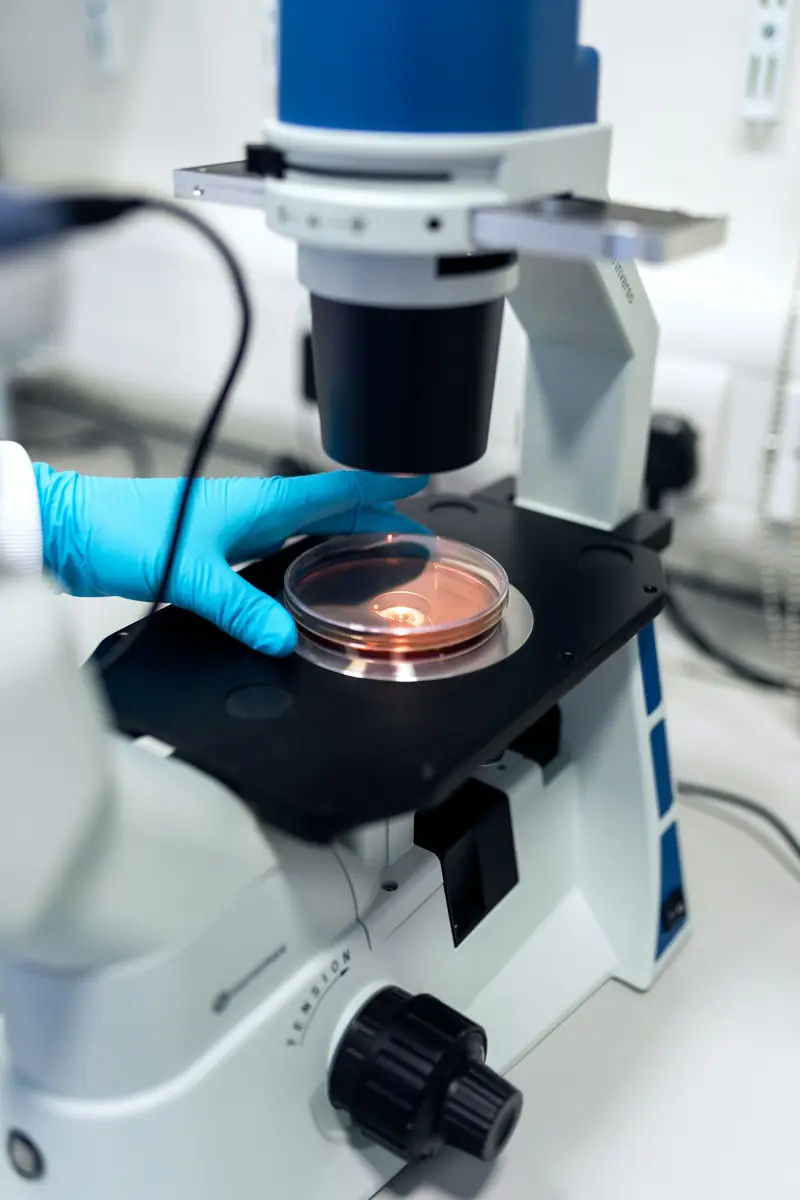
Quality Control Microbiology in Pharmaceutical Manufacturing
This course covers the microbiological quality control activities required to release safe pharmaceutical and healthcare products. Participants study bioburden testing, sterility assurance, endotoxin testing and microbial limits within a regulated environment. The training links laboratory results to batch release and good manufacturing practice expectations.
Course outline
What this programme covers, module by module.
- 01Performing bioburden and microbial limit testing on non sterile products
- 02Applying sterility testing principles and interpreting the outcomes
- 03Conducting bacterial endotoxin testing using LAL based methods
- 04Running environmental and utility monitoring in classified areas
- 05Investigating out of limit results and microbial data deviations
- 06Identifying environmental isolates to support contamination control
- 07Providing microbiological input to batch release under good manufacturing practice
What you will gain
- Perform bioburden and microbial limit testing on products
- Apply sterility testing principles and interpret outcomes
- Conduct bacterial endotoxin testing and analysis
- Support environmental and utility monitoring programmes
- Investigate microbial data deviations and out of limit results
- Contribute microbiological input to batch release decisions
Who should attend
- Pharmaceutical microbiologists
- Quality control laboratory analysts
- Quality assurance staff in manufacturing
- Sterility assurance and validation personnel
Upcoming sessions
| Date | City | Duration | Fees | Book |
|---|---|---|---|---|
| 2 to 6 Nov 2026 | London | 5 Days | US$1,800 | |
| 16 to 20 Nov 2026 | Dubai | 5 Days | US$1,800 | |
| 7 to 11 Dec 2026 | Pretoria | 5 Days | R18,000 | |
| 11 to 15 Jan 2027 | Durban | 5 Days | R18,000 | |
| 22 to 26 Feb 2027 | Cape Town | 5 Days | R18,000 | |
| 26 to 30 Apr 2027 | Johannesburg | 5 Days | R18,000 | |
| 28 Jun to 2 Jul 2027 | London | 5 Days | US$1,800 |
Fees are per delegate and exclude VAT. Public intakes are confirmed once minimum numbers are met. We also deliver this course on your own schedule, in-house or live online.
Enquire about this course
Register your team or ask for a tailored in-house quote. We reply within one working day.
WhatsApp usCourse brochure (PDF)- Fees from
- R18,000 per delegate
- Duration
- 5 Days
- Field
- Laboratory & Microbiology
- Formats
- In-house, public, online
More in Laboratory & Microbiology
Laboratory Quality Management Systems and ISO/IEC 17025 Accreditation
This programme prepares laboratory managers and quality staff to build, document and maintain a management system that meets the requirements of ISO/IEC 17025. Participants examine competence, impartiality and consistent operation of testing and calibration laboratories, and learn how to prepare for a successful accreditation assessment. Practical sessions cover document control, corrective action and the transition from internal quality goals to formal recognition.
Laboratory Safety and Biosafety Management
This course equips laboratory personnel to identify, assess and control the physical, chemical and biological hazards found in a working laboratory. Delegates study biosafety levels, containment practices and the safe handling of infectious agents alongside general occupational safety duties. The training links regulatory expectations to day to day behaviour on the bench.
Good Laboratory Practice (GLP) for Regulated Studies
This programme explains the principles of Good Laboratory Practice as applied to non clinical health and environmental safety studies. Participants learn how GLP governs study conduct, data integrity, facilities and personnel responsibilities. The course helps laboratories align their practices with the expectations of regulatory bodies and monitoring authorities.