Electrical Arc Fault Detection
Arc faults start fires at currents too low for conventional protection to notice. This course covers how arc detection works and where it belongs in an installation.
Course outline
What this programme covers, module by module.
- 01Arc faults, fire risk and low fault currents
- 02Series and parallel arcing distinguished
- 03Why overcurrent and earth fault protection miss them
- 04Detection principles and device types
- 05Selection, location and coordination in an installation
- 06Commissioning, testing and verification
- 07Nuisance tripping, causes and investigation
What you will gain
- Explain how arc faults develop and why they start fires
- Distinguish series from parallel arc faults
- Explain why conventional protection misses them
- Select and locate arc detection devices
- Commission and test arc protection
- Investigate nuisance tripping
Who should attend
- Electricians and installation staff
- Electrical inspectors
- Facilities and maintenance engineers
- Safety officers covering electrical fire risk
Upcoming sessions
| Date | City | Duration | Fees | Book |
|---|---|---|---|---|
| 26 to 27 Oct 2026 | Johannesburg | 2 Days | R10,000 | |
| 16 to 17 Nov 2026 | London | 2 Days | US$1,100 | |
| 7 to 8 Dec 2026 | Dubai | 2 Days | US$1,100 | |
| 11 to 12 Jan 2027 | Pretoria | 2 Days | R10,000 | |
| 8 to 9 Feb 2027 | Durban | 2 Days | R10,000 | |
| 12 to 13 Apr 2027 | Cape Town | 2 Days | R10,000 | |
| 21 to 22 Jun 2027 | Johannesburg | 2 Days | R10,000 |
Fees are per delegate and exclude VAT. Public intakes are confirmed once minimum numbers are met. We also deliver this course on your own schedule, in-house or live online.
Enquire about this course
Register your team or ask for a tailored in-house quote. We reply within one working day.
WhatsApp usCourse brochure (PDF)- Fees from
- R10,000 per delegate
- Duration
- 2 Days
- Field
- Electrical & Renewable Energy
- Formats
- In-house, public, online
More in Electrical & Renewable Energy
Motor Control Centres and Variable Speed Drives
Motors consume the majority of industrial electricity and their control gear is where much of the downtime originates. This course covers motor control centre construction, starting methods and the drives that control speed and save energy.
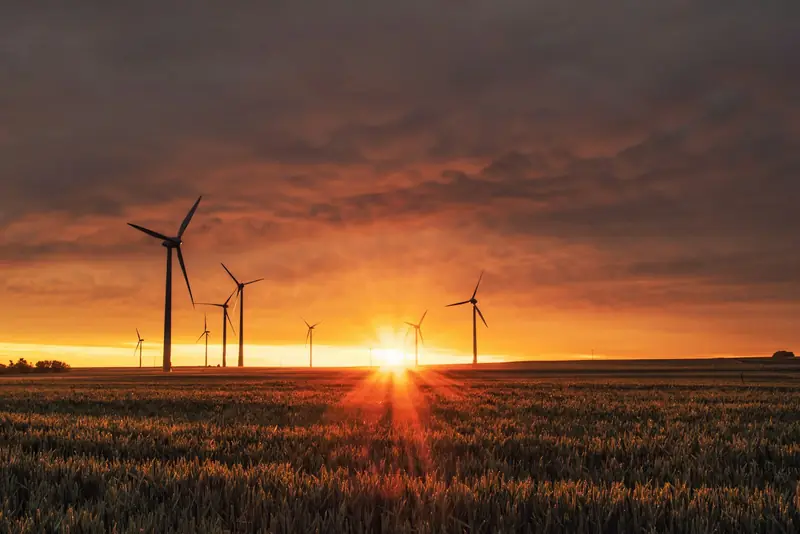
Solar Photovoltaic System Design and Installation
Solar installations underperform when they are sized on optimism rather than on load data and site conditions. This course covers system sizing, component selection, installation practice and commissioning for grid tied and hybrid systems.
Substation Operation and Maintenance
Substations concentrate risk and consequence in one place. This course covers the equipment, switching discipline and maintenance regime that keep a substation safe and available.